
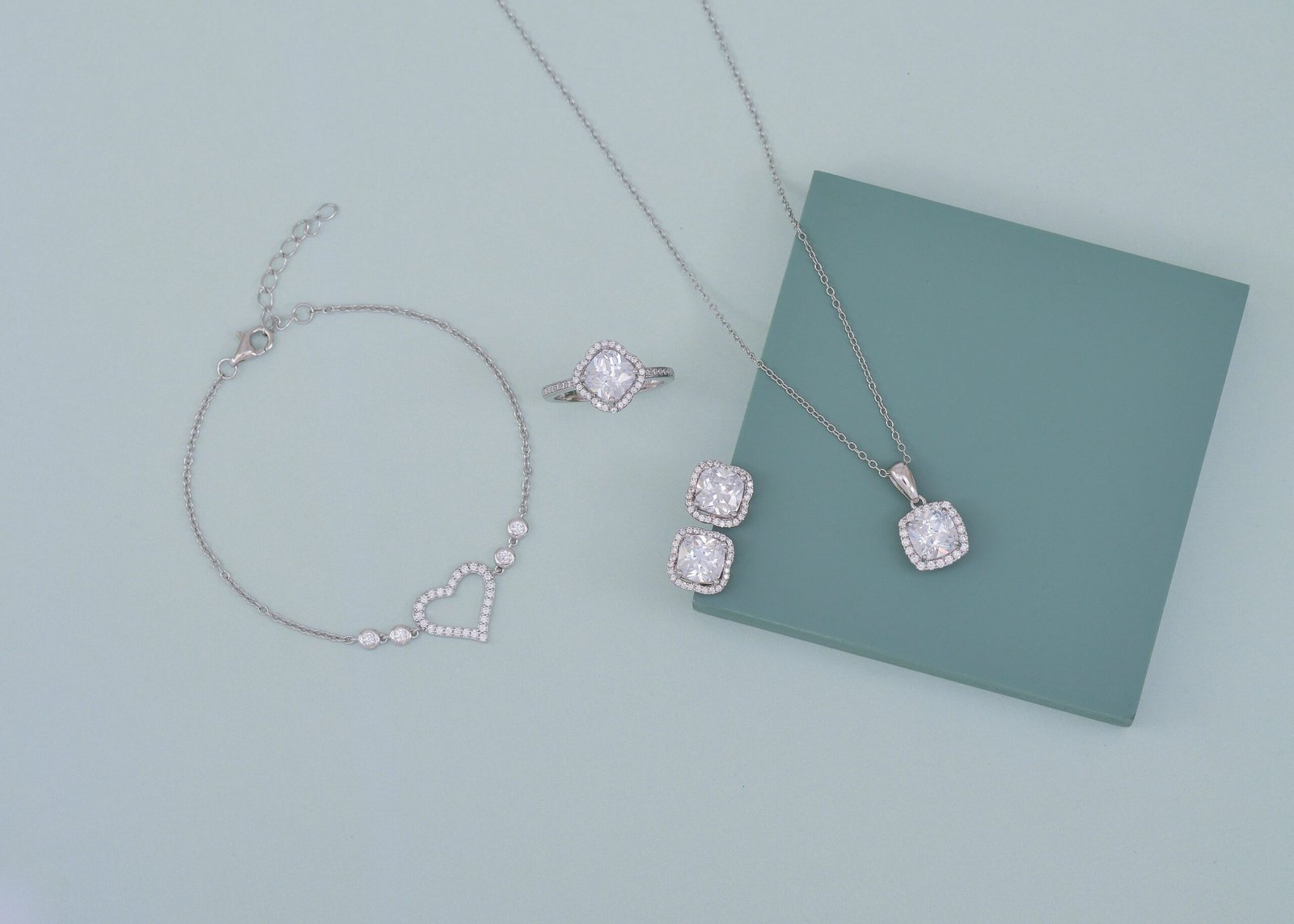
Quick answer: Each calendar month is associated with a specific gemstone, known as a birthstone. January is garnet, February amethyst, March aquamarine, April diamond, May emerald, June pearl, July ruby, August peridot, September sapphire, October opal, November topaz, and December turquoise. Several months also have modern alternative stones. Wearing your birthstone is a long standing tradition thought to bring personal significance, though many people choose a stone based purely on colour or meaning rather than birth month.
A birthstone is more than a colourful gem. Each one carries centuries of symbolism, from garnet’s association with protection to sapphire’s link to wisdom and loyalty. Whether you are choosing a piece for yourself, a family member, or a thoughtful gift, understanding what each birthstone represents adds genuine meaning to the choice.
This guide covers every month’s birthstone, its history, its symbolism, and how to choose jewellery that suits both the stone and the wearer.
The Complete Birthstone Chart
| Month | Birthstone | Colour | Symbolism |
|---|---|---|---|
| January | Garnet | Deep red | Protection, strength, enduring friendship |
| February | Amethyst | Purple | Clarity of mind, calm, balance |
| March | Aquamarine | Pale blue | Hope, health, courage |
| April | Diamond | Colourless | Eternal love, strength, clarity |
| May | Emerald | Green | Renewal, growth, wisdom |
| June | Pearl | White, cream | Purity, innocence, new beginnings |
| July | Ruby | Red | Passion, vitality, protection |
| August | Peridot | Yellow-green | Strength, positivity, healing |
| September | Sapphire | Deep blue | Wisdom, loyalty, nobility |
| October | Opal | Multicoloured | Creativity, hope, individuality |
| November | Topaz | Golden yellow | Strength, abundance, good fortune |
| December | Turquoise | Blue-green | Protection, good fortune, friendship |
Where the Birthstone Tradition Comes From
The concept of associating gemstones with the calendar dates back to the Book of Exodus, which describes the Breastplate of Aaron, a ceremonial garment set with twelve gemstones representing the twelve tribes of Israel. The first century historian Josephus later linked these twelve stones to the twelve months of the year and the twelve zodiac signs, forming the earliest roots of the birthstone tradition still recognised today.
The modern birthstone list used most widely today was standardised in 1912 by the American National Retail Jewelers Association, which is why some months have both a traditional and a modern stone, each carrying slightly different symbolism.
Traditional vs Modern Birthstones
Several months have more than one recognised birthstone, split between the older traditional chart and the newer modern chart.
| Month | Traditional | Modern |
|---|---|---|
| June | Pearl | Alexandrite |
| August | Sardonyx | Peridot |
| October | Opal | Tourmaline |
| November | Topaz | Citrine |
| December | Turquoise | Tanzanite, Zircon, Blue Topaz |
There is no rule requiring one over the other. Many people simply choose whichever stone suits their colour preference, budget or the piece of jewellery they have found.
Choosing Birthstone Jewellery
Once you know the birthstone, the next decision is which piece of jewellery and which metal setting suits it best. Warmer toned stones, such as garnet, ruby and topaz, tend to pair beautifully with yellow or rose gold, while cooler toned stones such as sapphire, aquamarine and amethyst often look striking against white gold or sterling silver. If you are shopping for someone else, look at what metal they already wear regularly, since matching their existing collection matters more than following any fixed styling rule.
A pendant or a simple stud earring is a versatile way to introduce a birthstone into an everyday wardrobe, while a ring makes a stronger, more personal statement, particularly as a milestone birthday gift.
Caring for Birthstone Jewellery
Care requirements vary considerably by stone. Hard stones such as sapphire, ruby and topaz can generally be cleaned with warm water, mild soap and a soft toothbrush. Softer or more porous stones, including pearl, opal and turquoise, should only be wiped with a soft, barely damp cloth and never soaked, since they can absorb moisture and chemicals. If you are unsure which category your birthstone falls into, our guide on cleaning silver jewellery with gemstones covers stone by stone care in detail.
Frequently Asked Questions
Can I wear a birthstone that isn’t my birth month?
Yes. Many people choose a stone based on its colour or symbolic meaning rather than strictly following the birth month tradition. There is no rule requiring you to wear your assigned birthstone.
What is the rarest birthstone?
Alexandrite, the modern June birthstone, is widely considered one of the rarest gemstones in the world, known for appearing to change colour depending on the light source.
Why do some months have two birthstones?
This comes from the difference between the traditional birthstone chart, rooted in centuries old custom, and the modern chart, standardised in 1912. Some months retained their historic stone while also gaining a newer alternative.
What finger should a birthstone ring be worn on?
There is no fixed rule. Most people choose based on comfort and personal style, with the ring finger, middle finger and index finger all being common choices.
Is a zodiac stone the same as a birthstone?
No. A birthstone is tied to your calendar birth month, while a zodiac stone is based on your astrological sign, and the two systems sometimes assign different gemstones to the same period of the year.
Final Thoughts
A birthstone offers a simple, meaningful way to personalise a piece of jewellery, whether you are shopping for yourself or someone else. Once you have chosen a stone, our guide on choosing jewellery for your skin tone can help you decide which metal setting will complement it best, and our guide to gold jewellery types and buying tips is worth reading before you choose a setting.