
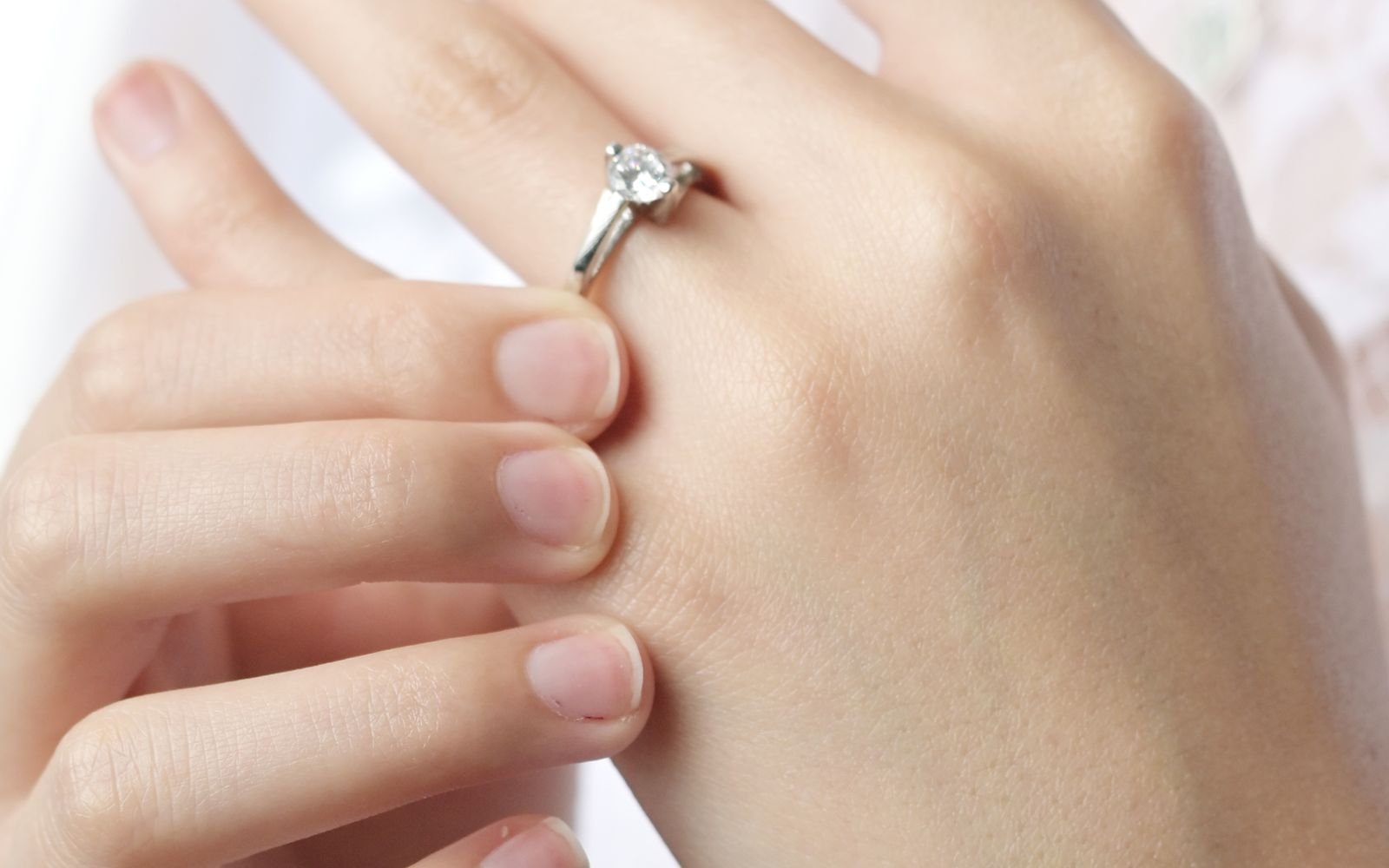
Quick answer: Cubic zirconia and diamond can look strikingly similar but differ significantly in composition, durability and price. Diamond is pure carbon, rated 10 on the Mohs hardness scale, the hardest natural material on earth. Cubic zirconia is a lab created zirconium dioxide crystal, rated around 8 to 8.5, which makes it more prone to scratching and clouding over years of wear. A one carat cubic zirconia typically costs a few pounds to a few tens of pounds, while a one carat diamond can run into the thousands.
Cubic zirconia has been the most common diamond simulant on the market since the late 1970s, prized for offering diamond-like sparkle at a fraction of the cost. It is not a fake diamond in the sense of being a poor imitation. It is a genuinely different, purpose engineered material designed specifically to resemble a diamond’s appearance.
This guide compares cubic zirconia and diamond across hardness, appearance, price and long term durability, so you can decide which suits your needs.
What Is Cubic Zirconia?
Cubic zirconia, often shortened to CZ, is made from zirconium dioxide. While zirconium dioxide does occur naturally in a mineral called baddeleyite, natural deposits are too rare and impure for jewellery use, so virtually all cubic zirconia sold today is grown synthetically in a laboratory. This controlled process allows manufacturers to produce consistently colourless, flawless stones at a very low cost.
Hardness and Durability
| Property | Diamond | Cubic Zirconia |
|---|---|---|
| Mohs hardness | 10 | 8 to 8.5 |
| Scratch resistance | Extremely high, only another diamond can scratch it | Moderate, can be scratched by household dust and everyday wear |
| Long term clarity | Remains clear indefinitely with normal cleaning | Can cloud or dull after a few years of regular wear |
| Best suited to | Daily wear, heirloom pieces | Fashion jewellery, occasional wear, statement pieces |
The half point gap between moissanite and diamond hardness rarely causes issues in daily wear, but the wider gap between cubic zirconia and diamond is more noticeable. Cubic zirconia can pick up fine surface scratches from household dust and everyday contact over a period of years, which gradually dulls its brilliance even with regular cleaning.
Appearance and Sparkle
Cubic zirconia has a lower refractive index than diamond, at approximately 2.15 to 2.18 compared to diamond’s 2.42, but a higher dispersion, meaning it splits light into more visible rainbow flashes. To an untrained eye, this can actually make cubic zirconia appear more sparkly than a diamond at first glance, though jewellers and gemmologists can usually distinguish the two by this exact quality, since diamond’s white light return is generally considered more refined and diamond specific testing tools can confirm the difference instantly.
Price Comparison
The price gap between the two stones is dramatic. A one carat cubic zirconia typically costs a small fraction of a comparable diamond, often in the range of single pounds to a few tens of pounds, while a one carat diamond of reasonable quality typically runs into the low thousands, depending on cut, colour and clarity. This makes cubic zirconia a practical choice for costume jewellery, statement pieces worn occasionally, or as a placeholder stone while saving for a genuine diamond.
Resale Value
Diamonds retain meaningful resale value, typically holding a portion of their original price on the secondary market. Cubic zirconia holds essentially no resale value, similar to most costume jewellery, since it is inexpensive to produce and widely available. If you are buying purely for the visual effect and do not intend to resell the piece, this factor matters far less than the upfront price difference.
Cubic Zirconia vs Moissanite
Cubic zirconia is sometimes confused with moissanite, another popular diamond alternative, but the two differ meaningfully. Moissanite is harder, at 9.25 on the Mohs scale compared to cubic zirconia’s 8 to 8.5, and holds its brilliance considerably longer with far less risk of surface scratching. Moissanite typically costs more than cubic zirconia but remains considerably less expensive than a natural diamond, making it a middle ground option for buyers who want more durability than cubic zirconia offers without the price of a diamond.
Caring for Cubic Zirconia Jewellery
Clean cubic zirconia with warm water, a few drops of mild dish soap, and a soft cloth or toothbrush, avoiding harsh chemicals or abrasive materials that can accelerate surface scratching. Store cubic zirconia pieces separately from other jewellery to reduce the risk of the stone picking up scratches from harder materials, and avoid wearing it during activities likely to expose it to dust, grit or household chemicals, since these are the most common causes of clouding over time.
Which Should You Choose?
| Priority | Better Choice |
|---|---|
| Lowest possible price | Cubic zirconia |
| Daily wear durability | Diamond |
| Occasional or fashion wear | Cubic zirconia |
| Long term resale value | Diamond |
| Maximum sparkle at minimum cost | Cubic zirconia |
| Heirloom or engagement piece | Diamond |
Frequently Asked Questions
Does cubic zirconia turn yellow over time?
Cubic zirconia does not typically yellow, but it can develop a cloudy or dulled appearance after prolonged wear due to fine surface scratches and absorbed oils, which is different from discolouration.
Can a jeweller tell cubic zirconia from a diamond instantly?
Yes, using a diamond tester that measures thermal conductivity, since cubic zirconia and diamond conduct heat very differently. This test takes only seconds and is highly reliable.
Is cubic zirconia a good choice for an engagement ring?
It can work well for a temporary or budget conscious choice, though its lower hardness means it is more prone to scratching and clouding with the daily wear an engagement ring typically receives compared to a diamond or moissanite.
How long does cubic zirconia last?
With careful wear and proper storage, cubic zirconia can look good for several years, though most pieces show some clouding or scratching after around three to five years of regular, everyday use.
Is moissanite better than cubic zirconia?
Moissanite is harder and holds its brilliance longer than cubic zirconia, making it a stronger choice for daily wear, though it costs more than cubic zirconia while remaining considerably less expensive than a natural diamond.
Final Thoughts
Cubic zirconia offers exceptional value for fashion jewellery and occasional wear, while diamond remains the stronger choice for daily wear pieces intended to last a lifetime. If you want more durability than cubic zirconia without the price of a diamond, our moissanite vs diamond comparison is worth reading, and our guide on choosing the perfect diamond engagement ring covers what to look for if you decide a genuine diamond is right for you.