
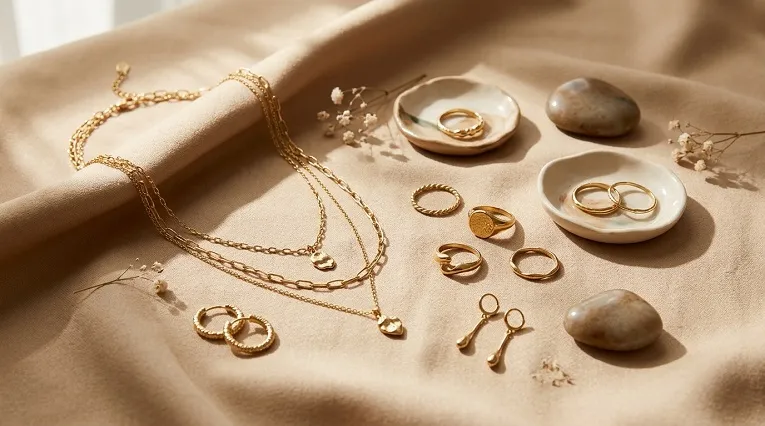
Gold plated jewellery gives you the luxurious look of gold without the high price tag. It contains a thin layer of real gold bonded to another metal, making it an affordable and stylish choice. With proper care, quality pieces can last for years. This guide explains everything you need to know, from durability and value to cleaning, storage, and buying tips.
Complete Guide to Durability, Care, Value, and Quality
Gold jewellery has always had a special charm. It adds warmth, elegance, and confidence to almost any outfit. Yet solid gold pieces can be expensive, especially when you’re building a jewellery collection.
I remember buying my first gold plated necklace because I wanted the look of gold without spending a month’s budget. At first glance, it looked almost identical to a much more expensive piece. That experience made me curious about how gold plating works, how long it lasts, and whether it is actually worth buying.
If you’ve been asking similar questions, you’re in the right place. This guide covers everything you need to know about gold plated jewellery, including how it compares to other options, how long it lasts, and how to keep it looking beautiful for as long as possible.
What Is Gold Plated Jewellery?
Gold plated jewellery is made by coating a base metal with a thin layer of real gold. The process typically uses electricity to bond the gold to the surface.
The gold used is genuine gold. The difference is that only the outer layer contains gold, while the core is made from another metal.
Common base metals include:
- Brass
- Copper
- Stainless steel
- Sterling silver
- Zinc alloys
This construction allows manufacturers to create attractive jewellery that looks luxurious while remaining affordable.
How Gold Plating Works
Gold plating is created through a process called electroplating.
During this process, the jewellery is placed in a solution containing gold particles. An electrical current helps the gold bond to the metal underneath.
The final appearance depends on several factors:
- Gold purity
- Plating thickness
- Base metal quality
- Manufacturing standards
Higher quality plating generally results in better durability and appearance.
Common Metals Used Under Gold Plating
Not all plated jewellery is made the same.
Brass is one of the most common base metals because it is affordable and durable.
Sterling silver is often considered a premium option. When gold is plated over sterling silver, it creates a higher quality product that many consumers prefer.
Stainless steel offers excellent strength and corrosion resistance.
Copper is less expensive but may react with some skin types over time.
Understanding the base metal helps you evaluate overall quality before making a purchase.
Is Gold Plated Jewellery Real Gold?
One of the most common questions people ask is whether plated jewellery contains real gold.
The answer is yes.
The gold layer on the surface is genuine gold. However, the amount of gold used is much smaller than what you would find in solid gold jewellery.
This distinction is important because it affects both value and durability.
Understanding the Gold Layer
Most manufacturers use:
- 14K gold
- 18K gold
- 24K gold
The thickness of the coating is measured in microns.
A micron equals one thousandth of a millimetre.
The thicker the coating, the longer it tends to last.
| Gold Thickness | Quality Level |
|---|---|
| 0.5 Micron | Basic |
| 1 Micron | Standard |
| 2.5 Microns | High Quality |
| 3+ Microns | Premium |
Many shoppers focus only on appearance, but plating thickness is often the most important indicator of durability.
What Are You Actually Paying For?
When you purchase plated jewellery, the price reflects several factors:
- Gold content
- Design quality
- Craftsmanship
- Base metal
- Brand reputation
- Manufacturing standards
Two necklaces may look identical in photos but perform very differently over time because of differences in materials and plating thickness.
Gold Plated Jewellery vs Gold Filled Jewellery
Many people confuse plated and filled jewellery.
Although they look similar, they are made differently.
Gold filled jewellery contains a much thicker layer of gold that is mechanically bonded to the base metal.
Because more gold is used, gold filled pieces typically last longer.
Durability Comparison
| Feature | Gold Plated | Gold Filled |
|---|---|---|
| Gold Layer | Thin | Thick |
| Lifespan | Months to Years | Many Years |
| Tarnish Resistance | Moderate | High |
| Maintenance | More Frequent | Less Frequent |
| Cost | Lower | Higher |
Price Comparison
Gold plated jewellery is generally the more affordable option.
A plated necklace may cost between £20 and £100.
A comparable gold filled necklace may cost between £80 and £300.
The higher price reflects the greater amount of gold used during production.
Which Option Is Better?
The answer depends on your goals.
Gold plated jewellery is often ideal if you:
- Like changing styles frequently
- Enjoy fashion trends
- Want affordable luxury
- Prefer a lower upfront cost
Gold filled jewellery may be a better choice if you:
- Wear the same jewellery daily
- Want maximum durability
- Plan to keep pieces for years
- Are willing to spend more initially
Gold Plated Jewellery vs Gold Vermeil
Gold vermeil is another popular alternative.
Many shoppers assume vermeil and plated jewellery are identical, but there is an important difference.
To qualify as vermeil, the base metal must be sterling silver.
The gold coating must also meet minimum thickness requirements.
Because of these standards, vermeil is often considered a step above standard plated jewellery.
Key Differences
| Feature | Gold Plated | Gold Vermeil |
|---|---|---|
| Base Metal | Various Metals | Sterling Silver |
| Thickness Standards | No Fixed Standard | Required Minimum |
| Durability | Good | Better |
| Cost | Lower | Higher |
If you want a balance between affordability and durability, vermeil can be an excellent choice.
Gold Plated Jewellery vs Solid Gold
Solid gold jewellery contains gold throughout the entire piece.
Unlike plated jewellery, there is no outer coating that can wear away.
This makes solid gold the most durable option.
However, it is also significantly more expensive.
Comparison Overview
| Feature | Gold Plated | Solid Gold |
|---|---|---|
| Appearance | Similar | Premium |
| Durability | Moderate | Excellent |
| Cost | Affordable | Expensive |
| Maintenance | Higher | Lower |
| Investment Value | Low | High |
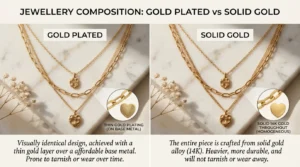
For many people, plated jewellery offers the perfect balance between style and affordability.
Solid gold may be better suited for heirloom pieces and long term investments.
How Long Does It Last?
The lifespan of plated jewellery depends on how you wear and care for it. There is no fixed timeline, but most pieces fall into a general range.
Light wear pieces may last a few months. High quality pieces can last several years with proper care.
Factors That Affect Lifespan
Several things influence how quickly the gold layer wears away:
- Frequency of wear
- Exposure to water
- Contact with perfume or lotion
- Sweat and body chemistry
- Storage habits
- Thickness of plating
Daily exposure to moisture or friction is the biggest reason for fading.
If you wear pieces only on special occasions, they will naturally last much longer.
Micron Thickness Explained
Thickness matters more than most people realize.
The gold layer is extremely thin, and even small differences affect durability.
| Thickness | Expected Lifespan |
|---|---|
| 0.5 micron | 3 to 6 months |
| 1 micron | 6 months to 1 year |
| 2.5 microns | 1 to 3 years |
| 3+ microns | 3+ years |
Higher thickness means slower fading and better resistance to daily wear.
Lifespan Reality Check
Even high quality pieces are not permanent.
The base metal will eventually show through if the surface layer wears down.
This is normal and expected, not a defect.
Does It Tarnish?
Yes, it can tarnish over time.
Tarnishing happens when the base metal reacts with air, moisture, or chemicals.
It may appear as:
- Dark patches
- Faded color
- Uneven shine
- Slight green or grey tone on skin
This does not mean the jewellery is ruined. It usually means the outer layer is thinning.
Why Tarnishing Happens
Common causes include:
- Water exposure
- Sweat during workouts
- Perfume or hairspray
- Chlorine from pools
- Saltwater exposure
Even natural skin oils can slowly affect the surface.
Can You Wear It Every Day?
You can wear it daily, but it will reduce its lifespan.
Daily wear increases friction and exposure, which speeds up fading.
If you want to wear it often, choose pieces with:
- Thicker plating
- Simple designs (less friction points)
- Protective storage habits
Many people reserve plated jewellery for work, social outings, or special events to extend its life.
Is It Worth Buying?
This depends on your expectations.
It is not meant to replace solid gold. It is meant to offer the look of gold at a lower cost.
Benefits
- Affordable price point
- Stylish appearance
- Wide design variety
- Easy to replace or update
- Good for fashion trends
Drawbacks
- Not permanent
- Requires careful handling
- Can fade over time
- Not ideal for heavy daily wear
If you treat it like fashion jewellery instead of an investment piece, it becomes a very practical choice.
How to Identify Good Quality Pieces
Not all pieces are made equally.
Some fade quickly, while others last much longer. Quality differences usually come down to a few key factors.
Thickness of the Gold Layer
Always check product details when available.
Higher micron levels generally indicate better durability.
Base Metal Quality
Better base metals include:
- Sterling silver
- Stainless steel
Lower quality metals may include cheap alloys that react faster with moisture.
Craftsmanship Details
Look for:
- Smooth finishing
- Even color
- Strong clasps
- Clean edges
Poor finishing often leads to faster wear.
Sensitive Skin Considerations
Skin reactions depend mostly on the base metal.
Some people experience irritation from:
- Nickel alloys
- Copper content
If you have sensitive skin, look for:
- Nickel free options
- Sterling silver base
- Hypoallergenic labeling
Even then, long wear and sweat can still cause mild irritation for some users.
How to Clean It Properly
Cleaning must be gentle.
Harsh cleaning methods will remove the outer layer faster.
Use:
- Soft microfiber cloth
- Mild soap solution
- Lukewarm water (minimal exposure)
Avoid:
- Polishing chemicals
- Abrasive brushes
- Ultrasonic cleaners
Wipe after each use to remove sweat or oil buildup.
Storage Tips That Make a Big Difference
Storage is one of the most overlooked factors.
Proper storage can significantly extend lifespan.
Best practices:
- Store in a dry pouch
- Keep pieces separated
- Avoid humid bathrooms
- Use anti tarnish strips if possible
Friction between pieces can also cause scratching, so separation is important.
Can It Get Wet?
Water exposure is one of the fastest ways to damage plated surfaces.
Showering
Not recommended. Soap and hot water speed up fading.
Swimming Pools
Avoid completely. Chlorine is very harsh on plating.
Sea Water
Salt accelerates corrosion and dullness.
Even occasional exposure can shorten lifespan significantly.
Replating Explained
Replating is the process of adding a fresh gold layer.
It can restore appearance if the base structure is still in good condition.
When Replating Is Needed
- Color becomes uneven
- Base metal starts showing
- Jewellery looks dull
Cost Range
Replating typically costs:
- Low end: £15 to £30 per piece
- Higher end: £50+ depending on complexity
Simple rings and chains are cheaper to restore than intricate designs.
Common Buying Mistakes
Many people make avoidable mistakes when buying plated jewellery.
These include:
- Not checking plating thickness
- Wearing it during workouts
- Storing pieces together
- Using perfume directly on jewellery
- Assuming it behaves like solid gold
Avoiding these habits can significantly extend lifespan.
Cost Per Wear Perspective
One helpful way to evaluate value is cost per wear.
A £30 necklace worn 30 times costs £1 per wear.
A £200 solid gold necklace worn rarely may cost more per wear.
This is why plated jewellery is often considered practical for fashion-focused buyers.
Best Occasions to Wear It
This type of jewellery works best for:
- Dinner outings
- Workwear styling
- Parties and events
- Travel jewellery
- Fashion layering looks
It is less suitable for:
- Gym workouts
- Beach holidays
- Long water exposure activities
Best Brands for Gold Plated Jewellery
When you start exploring quality options, brand choice matters more than people think. Better brands usually invest in thicker plating, better base metals, and stronger finishing.
Here are some well known names people trust:
Mejuri
Mejuri is known for minimal, everyday designs.
Best for:
- Simple daily wear pieces
- Modern styling
- Layering jewellery
Key features:
- 18K gold vermeil and plated options
- Sterling silver base in many pieces
- Clean, minimal designs
Pros:
- Stylish and modern
- Good quality control
- Comfortable for daily wear
Cons:
- Higher price than fast fashion jewellery
- Limited bold statement pieces
Price range: £40 to £200+
Check price on Mejuri →
Pandora
Pandora offers gold plated collections alongside their classic charm designs.
Best for:
- Gift jewellery
- Charm bracelets
- Everyday wear pieces
Key features:
- Gold plated and gold vermeil options
- Wide global availability
- Strong brand recognition
Pros:
- Reliable quality
- Great gifting option
- Durable for regular wear
Cons:
- More expensive than small brands
- Designs can feel repetitive
Price range: £35 to £250+
Check price on Pandora →
Ana Luisa
Ana Luisa focuses on sustainable fashion jewellery.
Best for:
- Eco conscious buyers
- Minimal gold plated designs
- Affordable luxury feel
Key features:
- Recycled materials
- Gold plated over brass or sterling silver
- Simple, elegant designs
Pros:
- Sustainable production
- Good everyday durability
- Affordable luxury positioning
Cons:
- Limited bold styles
- Smaller collection range
Price range: £40 to £120+
Monica Vinader
Monica Vinader sits in the premium fashion jewellery space.
Best for:
- Premium gifting
- Long lasting plated jewellery
- Elegant everyday luxury
Key features:
- High quality gold vermeil and plating
- Strong focus on craftsmanship
- Designed for layering
Pros:
- Excellent durability for plated pieces
- Luxury finish
- Strong reputation in UK market
Cons:
- Expensive
- Not budget friendly
Price range: £60 to £300+
Honest Pros of Gold Plated Jewellery
- Affordable luxury look
- Wide variety of styles
- Easy to replace or update
- Perfect for trends and layering
- Lightweight and comfortable
Honest Cons
- Not permanent like solid gold
- Can fade with heavy use
- Sensitive to water and chemicals
- Quality varies widely between brands
- Requires careful maintenance
Who This Jewellery Is Best For
Gold plated jewellery is perfect for you if:
- You love changing your style often
- You prefer affordable fashion pieces
- You enjoy layering necklaces or rings
- You want gold look without high cost
It may not suit you if:
- You want lifelong durability
- You wear jewellery during workouts or swimming
- You prefer investment pieces only
Who Should Choose Solid Gold Instead
You should consider solid gold if:
- You want heirloom quality jewellery
- You wear the same pieces every day
- You want maximum durability
- You prefer low maintenance jewellery
Frequently Asked Questions
Is gold plated jewellery real gold?
Yes, the outer layer is real gold. However, it is very thin and sits on a base metal.
How long does gold plated jewellery last?
It can last from a few months to several years depending on thickness and care.
Can gold plated jewellery turn skin green?
Yes, if the base metal reacts with moisture or sweat, it can cause slight discoloration.
Can you shower with gold plated jewellery?
No, showering reduces lifespan because water and soap wear down the gold layer.
Is gold plated jewellery worth buying?
Yes, if you want affordable fashion jewellery and understand it is not permanent.
What is better, gold plated or gold filled?
Gold filled lasts much longer because it has a thicker gold layer.
Does gold plated jewellery fade over time?
Yes, gradual fading is normal with wear and exposure.