
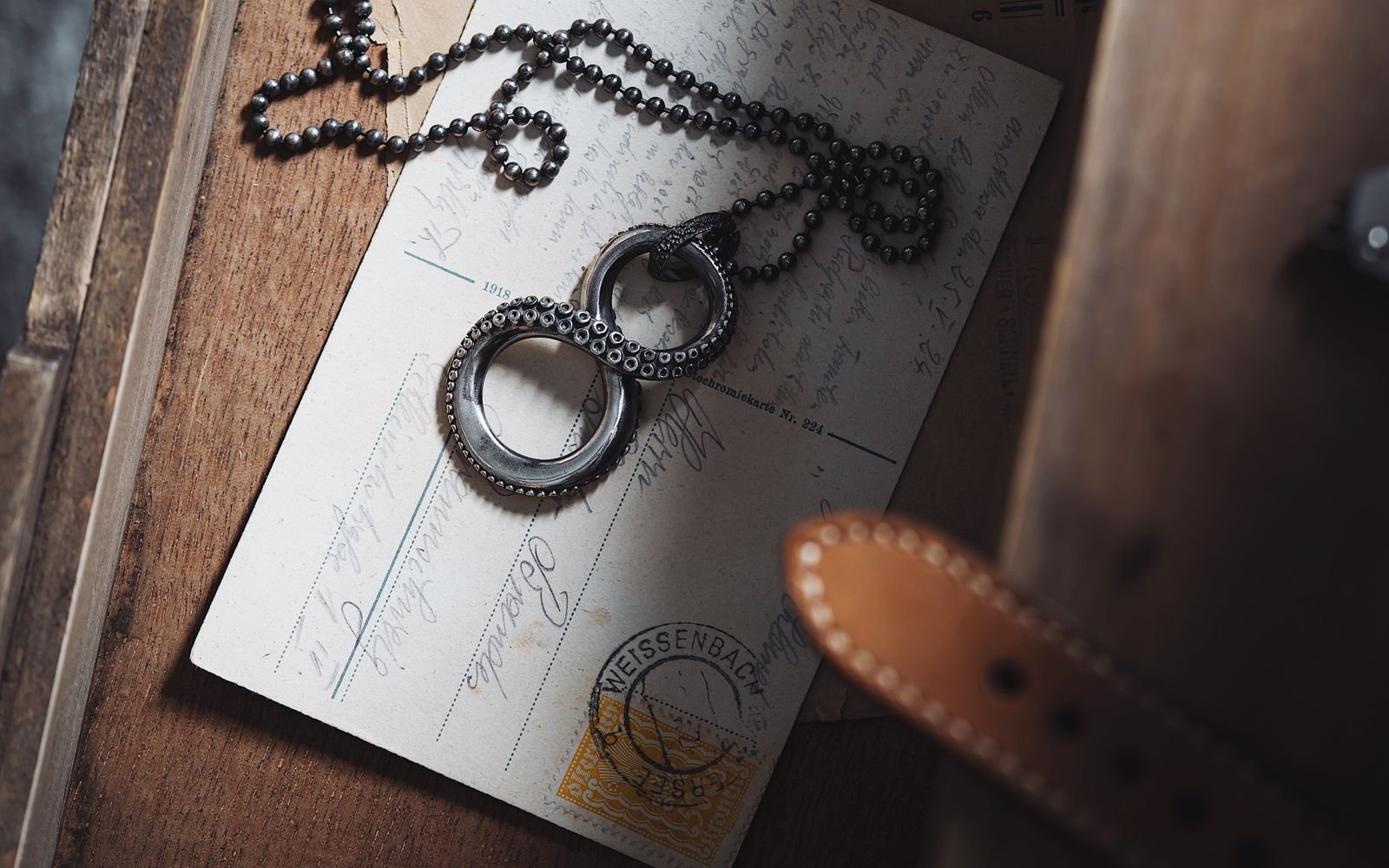
Quick answer: Antique jewellery is at least 100 years old. Vintage jewellery is generally 20 to 99 years old, though many dealers use a stricter cutoff of at least 50 years. Anything newer than 20 years is usually called retro or simply pre-owned rather than vintage. The clearest way to tell the two apart is age, but hallmarks, design style and construction methods also help confirm a piece’s true era.
Ask five jewellery dealers where vintage ends and antique begins, and you may get five slightly different answers. The terms get used loosely, and even specialist dealers disagree on the exact cutoff. This guide gives you a clear, practical answer, along with the design clues that help you spot the difference yourself.
The Age Cutoffs, Clearly Explained
| Term | Typical Age | Notes |
|---|---|---|
| Antique | 100+ years old | Widely agreed standard, used by auction houses and customs definitions |
| Vintage | 20 to 99 years old | Some dealers use a stricter 50-year minimum |
| Retro / pre-owned | Under 20 years old | Not old enough to be called vintage by most standards |
The 100-year antique threshold is the one point almost everyone agrees on. It comes from a long standing customs and auction house convention, originally used to define import duty exemptions for genuinely old items. Vintage is where the disagreement lives. Some sellers use 20 years as a rough guide, treating vintage as simply “not brand new.” Others insist on at least 50 years, arguing that anything younger does not yet carry genuine historical character.
Why the Confusion Happens
Vintage has become something of a marketing term over the past few decades, used loosely to describe anything with an old-fashioned look, regardless of its actual age. This has blurred its meaning. Antique, by contrast, is protected by its long standing legal and auction house definition, which keeps its meaning far more consistent across sellers.
Identifying the Era by Design
Age alone does not always confirm a piece’s era, especially with reproductions. Design style offers a second, more reliable clue.
| Era | Approximate Dates | Design Clues |
|---|---|---|
| Georgian | 1714 to 1837 | Hand-cut stones, closed-back settings, foil-backed gems |
| Victorian | 1837 to 1901 | Romantic motifs, mourning jewellery, seed pearls |
| Edwardian | 1901 to 1915 | Delicate platinum filigree, garland style |
| Art Deco | 1915 to 1935 | Bold geometric shapes, strong symmetry |
| Retro | 1935 to 1950 | Chunky rose gold, large cocktail-style pieces |
| Mid-century | 1950 to 1970s | Clean lines, textured gold finishes |
Checking Hallmarks and Construction
UK hallmarks are one of the most reliable ways to date a piece with real precision. Alongside the purity mark, older UK hallmarks often include a date letter, which can pinpoint the exact year a piece was assayed. Construction methods offer another clue. Older pieces tend to have hand-cut prongs, visible tool marks, and closed-back settings, while machine-made uniformity usually points to a more recent piece, even one styled to look older.
Does the Difference Affect Value?
Antique status can add value, since genuinely old pieces are rarer and often carry more history, but age is only one factor. Craftsmanship, condition, rarity of design and materials used all matter as much, if not more, than whether a piece qualifies as vintage or antique. A well-made vintage piece from a recognised designer can be worth considerably more than a plain, mass-produced antique one.
Buying Vintage or Antique Jewellery
- Ask for provenance. A reputable dealer should be able to tell you roughly when and where a piece was made.
- Check for a hallmark. This is your best tool for confirming genuine age on UK pieces.
- Inspect the condition honestly. Older pieces may need restoration, which affects both price and long term care.
- Buy from specialists where possible. Dedicated antique and vintage jewellers tend to have more accurate dating than general secondhand sellers.
Caring for Older Jewellery
Older settings, particularly foil-backed stones from the Georgian era, should never be soaked in water, since moisture can damage the foil backing behind the gem. For most vintage and antique pieces, a soft, dry cloth is the safest cleaning method. If a piece needs a deeper clean, it is worth asking a specialist restorer rather than using standard modern jewellery cleaning methods, which can be too harsh for delicate, older settings.
Frequently Asked Questions
Is 30-year-old jewellery considered vintage?
Under the common 20-year guideline, yes. Under the stricter 50-year standard some dealers use, it would not yet qualify.
How old does jewellery need to be to count as antique?
At least 100 years old. This is the most widely agreed definition, used by auction houses and long standing customs conventions.
Can a modern piece be made to look antique?
Yes. Reproduction pieces copy older design styles but are not genuinely old. Checking hallmarks and construction details helps confirm true age.
Is antique jewellery always more valuable than vintage?
Not necessarily. Craftsmanship, rarity and condition often matter more than age alone when it comes to actual value.
How can I clean antique jewellery safely?
A soft, dry cloth is the safest option for most antique pieces. Avoid soaking, especially foil-backed stones, and consult a specialist restorer for anything valuable or fragile.
Final Thoughts
Antique means at least 100 years old, a standard almost every dealer agrees on. Vintage sits in a wider, less exact range of roughly 20 to 99 years, depending on who you ask. Hallmarks and design details will always tell you more than a label alone. If you want to check the metal on an older piece before buying, our jewellery hallmarks guide explains how to read UK hallmarks in detail, and our guide on how to tell if jewellery is real covers further ways to verify an older piece before you buy.