
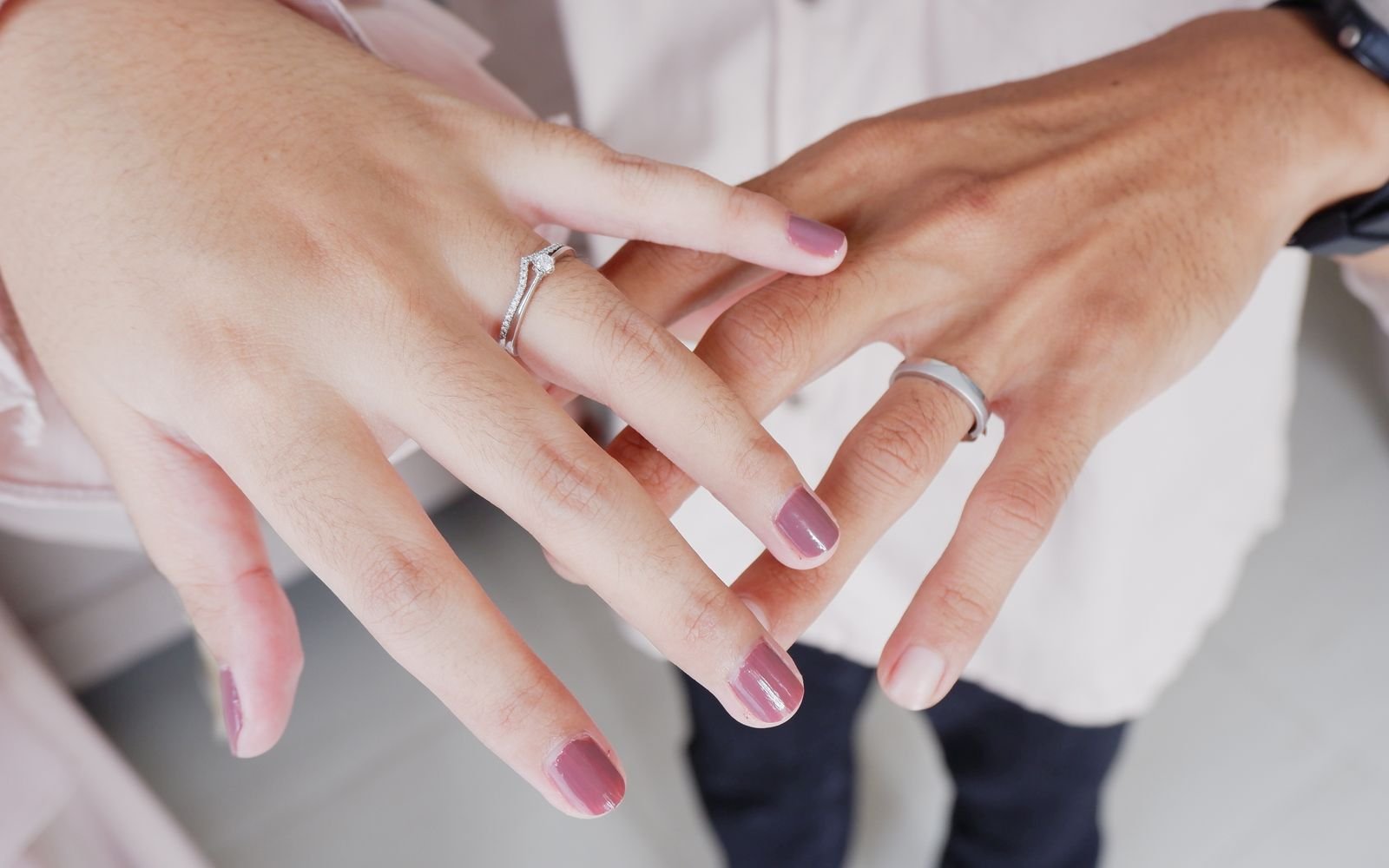
Quick answer: Platinum and white gold look similar but are different metals. Platinum is a pure, dense, naturally white metal. White gold is yellow gold mixed with other metals, then coated in rhodium for its bright white shine. Platinum costs more and barely wears down. White gold costs less but needs re-plating every one to three years. Platinum suits people who want low maintenance and hypoallergenic metal. White gold suits people who want a bright look at a lower price.
Choosing between platinum and white gold is one of the most common questions UK jewellery buyers face. Both look nearly identical on the shelf. Both work beautifully with diamonds. But they behave very differently over years of wear, and the price gap between them can be significant. This guide breaks down exactly what sets them apart, so you can pick the right one for your budget and lifestyle.
What Is the Actual Difference?
Platinum is a naturally white precious metal. Jewellers use it at high purity, usually 95 percent, with the rest made up of other metals for strength. It never needs a coating to look white.
White gold starts as yellow gold. Jewellers mix it with white metals such as palladium or nickel to lighten the colour. Even then, the result still carries a faint yellow tint. To get that bright, silvery finish, jewellers coat the ring in rhodium, a much harder and whiter metal.
This one fact explains almost every other difference between the two metals.
Side by Side Comparison
| Factor | Platinum | White Gold |
|---|---|---|
| Purity | 95% platinum (950 standard) | Usually 18ct (75% gold) or 9ct (37.5% gold) |
| Natural colour | Bright white, no coating needed | Pale yellow-grey, needs rhodium plating |
| Weight | Heavy and dense | Noticeably lighter |
| Durability | Very durable, forms a soft patina over time | Durable, but plating wears thin |
| Maintenance | Occasional polishing only | Re-plating every 1 to 3 years |
| Allergy risk | Naturally hypoallergenic | Can trigger nickel allergies |
| Price | Higher | Lower |
Weight and Feel on the Hand
Pick up a platinum ring and a white gold ring of the same size, and you will feel the difference immediately. Platinum is far denser. A platinum band feels solid and substantial. Some people love that weight. It feels expensive and secure. Others find it heavy for daily wear, especially on wider bands. White gold feels lighter and more comfortable for people who are not used to wearing rings.
How Each Metal Ages
Platinum does not lose metal when it scratches. The metal simply moves, forming small dents that build into a soft, satin-like finish called a patina. Many people like this look. It shows the ring has been worn and loved. A jeweller can also re-polish platinum back to a mirror shine at any time, since almost none of the original metal is lost.
White gold scratches differently. Every scratch removes a tiny bit of the rhodium coating. Over months of daily wear, that plating wears thin, and the warmer, slightly yellow gold underneath starts to show through. This is not damage. It is simply the coating doing its job until it needs refreshing.
Cost in the UK
Platinum jewellery generally costs more than white gold, both because the raw metal is more expensive and because platinum is denser, so a ring uses more metal by weight than the same design in gold. On top of the upfront price, white gold carries an ongoing cost that platinum does not: rhodium re-plating. UK jewellers typically charge a modest fee for this service, and most rings need it every one to three years depending on how often they are worn. Over a lifetime of wear, this narrows the price gap between the two metals, even though platinum costs more to buy outright.
Which Is Better for Sensitive Skin?
Platinum is one of the most hypoallergenic metals used in jewellery. It contains very few added alloys, so reactions are rare. White gold often contains nickel, a common allergy trigger, unless the piece is specifically made with palladium instead. If you have a known metal allergy, ask your jeweller directly whether the white gold piece is nickel-free, or choose platinum to remove the risk entirely.
Checking UK Hallmarks
Any platinum or gold item sold in the UK over a certain weight must carry a UK hallmark from an Assay Office, confirming the metal purity. Platinum hallmarks show 950. Gold hallmarks show 750 for 18ct or 375 for 9ct. Checking for this stamp is the simplest way to confirm you are buying what you think you are buying, regardless of which metal you choose.
Which Should You Choose?
| Priority | Better Choice |
|---|---|
| Lowest maintenance over time | Platinum |
| Lower upfront price | White gold |
| Sensitive or allergy-prone skin | Platinum |
| Lighter, more comfortable feel | White gold |
| A worn-in, matte patina look | Platinum |
| A bright, mirror-like shine (with upkeep) | White gold |
Frequently Asked Questions
Is platinum really better than white gold?
Neither metal is better overall. Platinum needs less upkeep and suits sensitive skin. White gold costs less and feels lighter. The right choice depends on your budget and how much maintenance you want to deal with.
Can you tell platinum and white gold apart just by looking?
Not easily when both are new. Freshly plated white gold looks almost identical to platinum. Weight is the biggest giveaway. Platinum feels noticeably heavier for the same size.
Does white gold turn yellow?
The metal underneath does have a faint yellow tint, but you only see it once the rhodium plating wears thin. Re-plating restores the bright white finish.
Is platinum worth the extra cost?
For daily wear pieces like wedding bands, many people find the lower maintenance worth the higher upfront price. For occasional wear pieces, white gold’s lower cost often makes more sense.
Can I have my white gold ring re-plated at any jeweller?
Most jewellers who work with gold offer rhodium re-plating as a standard service. It is worth asking about the cost and turnaround time before you buy. In the meantime, our guide on cleaning rhodium plated jewellery covers how to protect the coating between re-plates.
Final Thoughts
Platinum and white gold both make beautiful jewellery, and both are popular choices for a men’s wedding band as well as engagement and eternity rings. Platinum rewards you with less upkeep and a naturally hypoallergenic metal. White gold rewards you with a lower price and a lighter feel. Neither choice is wrong. If you are choosing a setting for a diamond, our guide on choosing the perfect diamond engagement ring covers the four Cs in detail, and our gold jewellery buying guide explains karat purity if you decide gold is the right fit for you.