
How to Stack Bracelets: A Complete Styling Guide for Every Wrist
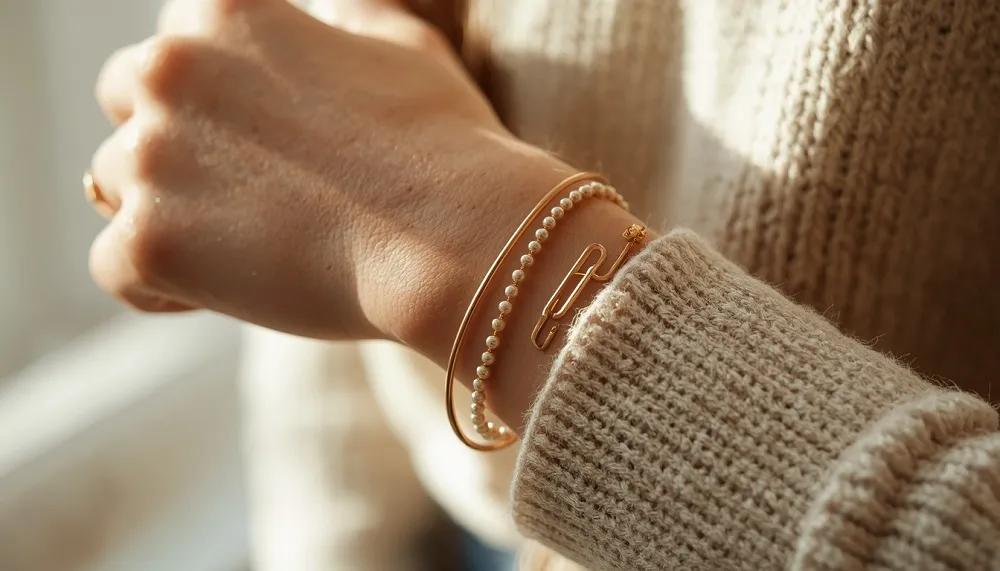
Quick answer: To stack bracelets well, pick one wrist, choose a single anchor piece such as a bangle or watch, then add two to four bracelets in different widths and textures. Keep tight-fitting pieces closest to your hand and looser chains higher up. This stops tangling and gives the stack a deliberate, put-together look.
Bracelet stacking is simply wearing more than one bracelet on the same wrist at once. It sounds easy until you actually try it and end up with a knotted tangle of chains by lunchtime. This guide walks through the whole process, from your very first stack to fixing tangles, pairing bracelets with a watch, and choosing between gold and silver.
What Bracelet Stacking Actually Means
A bracelet stack is any combination of two or more bracelets worn together on one wrist. They can match in metal and style, or clash on purpose for a bolder look. Stacking has old roots too. Bangles have been worn in layers across South Asia for centuries as a symbol of celebration, and Egyptian jewellery often piled wrist pieces high to show status. What’s changed is that stacking is now everyday wear, not just for special occasions.
The appeal is practical as much as stylish. Instead of choosing one bracelet each morning, you build a small collection into a single look, and you can change that look just by swapping one piece.
How to Stack Bracelets for Beginners
If you’ve never stacked bracelets before, keep the first attempt simple. Trying to combine six pieces on day one is how most stacks end up messy.
Pick Your Wrist First
Choose one wrist to build on, usually your non-dominant hand, since it gets in the way less during the day. You can style both wrists eventually, but starting with one keeps the process manageable and lets you actually judge how the pieces sit together.
Choose One Anchor Piece
Every good stack starts with a single strong piece to build around. This might be a solid bangle, a watch, or a chunky chain. Your anchor sets the tone, whether that’s minimal and refined or bold and textured, and every other bracelet you add should work with it rather than compete with it.
Add Layers Slowly
Add one bracelet at a time and check how it looks before reaching for the next. Two or three well-chosen pieces almost always look better than five mismatched ones. As a simple starting formula, try one anchor plus one thinner chain plus one textured piece, such as a beaded or twisted bracelet.
How Many Bracelets Should You Stack?
There’s no fixed number, but most well-balanced stacks use between two and five bracelets. Fewer than that can look accidental rather than styled, and more than five tends to add weight and noise unless each piece is quite delicate. Think about combined visual weight rather than a strict headcount. Three chunky cuffs will fill a wrist as much as seven fine chains, so judge the finished look rather than counting pieces.
Your wrist size matters too. A narrower wrist generally suits three or fewer pieces so the stack doesn’t overwhelm the arm, while a larger wrist has room for a fuller five-piece look.
How to Stack Bracelets Without Tangling
Tangling is the most common complaint about bracelet stacking, and it’s almost always down to fit and material rather than bad luck.
Vary the Fit, Not Just the Style
Wear your snuggest piece closest to your hand and let looser pieces sit slightly higher. When every bracelet has the same amount of slack, they swing at the same rate and knot together. A small difference in tightness means they settle at slightly different points on your wrist instead.
The Sandwich Method
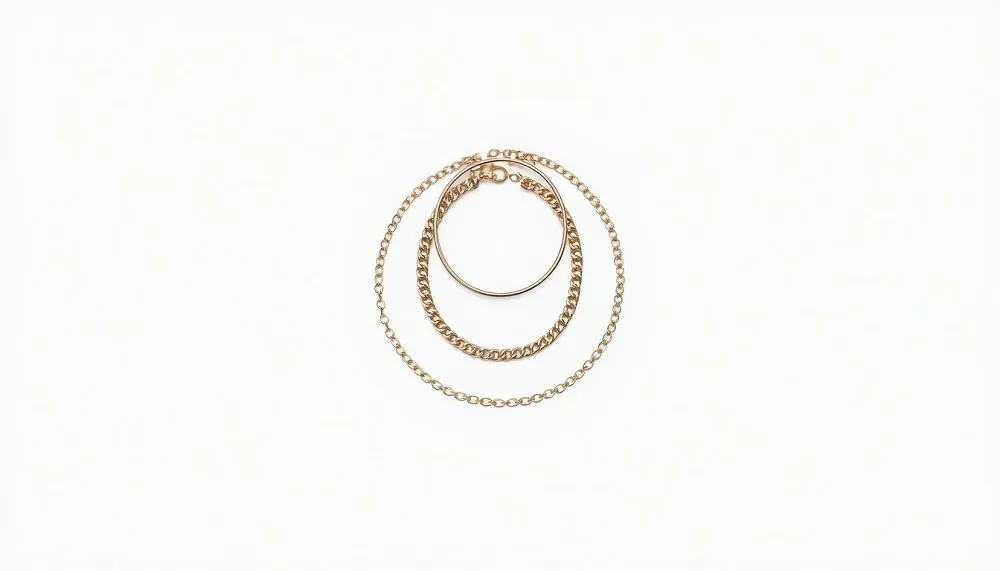
Place your lightest, thinnest chain between two sturdier pieces, such as a bangle on one side and a thicker curb chain on the other. The heavier bracelets act like guardrails and stop the delicate chain from twisting around itself, which is the main cause of knots in a mixed stack.
Mix Textures So Nothing Grips
Two smooth chains of a similar weight will slide against each other and catch. Pairing a smooth piece with a textured or rigid one, like a cuff or a beaded bracelet, gives the stack less surface for links to hook onto. Bangles and cuffs rarely tangle at all, since their solid shape keeps them independent of whatever else is on your wrist.
How to Stack Bracelets With a Watch
Wearing bracelets with a watch works well as long as the watch stays the visual anchor. Keep bracelets slightly lighter or thinner than the watch face so they support the look instead of competing with it. A common approach is one slim bangle plus one delicate chain, worn on the same wrist as the watch, positioned so the watch face still sits cleanly on top of the wrist.
If your watch strap is metal, matching the bracelet metal creates a cohesive, classic look. A leather or fabric strap gives you more freedom to mix in gold, silver, or coloured pieces without it looking mismatched.
How to Stack Bracelets With an Apple Watch
An Apple Watch works the same way as a traditional watch for stacking purposes, though its sportier shape suits slightly simpler pairings. Stainless steel and space grey cases pair well with both gold and silver bracelets, since the case itself reads as fairly neutral. Keep to one or two extra pieces rather than a full five-bracelet stack, since a busy stack can compete with the watch band for attention. Many people also find it easiest to slide bracelets on before fastening the watch strap, so the watch clasp sits comfortably against the skin rather than over jewellery.
How to Stack a Tennis Bracelet Into Your Look
A tennis bracelet, with its continuous line of stones, works brilliantly as either the anchor of a stack or the sparkle layer within one. Because tennis bracelets sit quite flat and close to the wrist, they rarely clash or tangle with other pieces.
For an everyday look, pair a tennis bracelet with one plain bangle and nothing else, letting the stones do the talking. For evening wear, add a second tennis bracelet or a delicate diamond chain alongside it for extra shimmer without overcrowding the wrist.
Classy, Understated Bracelet Stacks
A classy stack usually relies on restraint rather than volume. Stick to two or three pieces, keep the metal tone consistent, and choose slim profiles over chunky ones. A fine gold chain, a slim bangle, and a small pendant-style bracelet together give a polished, quiet elegance suited to office wear or formal events.
Consistency is what reads as “classy” to most people. Matching metal tones, similar widths, and avoiding more than one statement piece all keep a stack looking considered rather than accidental.
Gold Bracelet Stack Ideas
Gold stacking works well because most gold tones sit close enough together to blend, even across yellow, rose, and white gold. A dependable starting combination is one gold bangle, one fine paperclip chain, and one textured rope chain, or see our chain bracelet types guide for the full range of link styles to choose from. In the UK, entry-level gold vermeil stacking pieces typically sit in the £20 to £70 range, while solid 9 carat gold bracelets tend to start from around £100 and rise with weight and design.
For a bolder gold stack, add a chunky curb chain as the anchor and build slimmer pieces around it. Because gold naturally has warmth, even a busier gold stack tends to look cohesive rather than cluttered.
Sterling Silver Bracelet Stacking Ideas
Silver gives a cooler, more contemporary base and pairs particularly well with denim, tailoring, and monochrome outfits. A simple silver stack might combine a solid bangle, a snake chain, and one bracelet with a small charm or stone detail. Sterling silver stacking pieces in the UK commonly range from around £15 for slim chains to £60 or more for heavier cuffs and designs with stone settings.
Silver also works well as a neutral base if you want to introduce a single warmer accent, such as one rose gold bracelet, without it looking out of place.
Can You Mix Gold and Silver in One Stack?
Yes, and it’s one of the easiest ways to make a stack look current rather than matched from a set. The trick is repetition rather than a single accent piece. Wearing one gold bracelet among four silver ones can look like an afterthought, while two gold and two silver pieces reads as intentional. A watch or bracelet with both tones built in also works as a natural bridge between the two metals.
How to Stack Bracelets and Bangles Together
Bangles are one of the easiest pieces to stack because their rigid shape means they don’t tangle with anything. Wear one or two bangles closest to your hand, then layer chains or beaded bracelets above them. The bangles hold their position while the looser pieces move naturally with your wrist.
Avoid stacking more than two or three bangles alone, since solid metal against solid metal can create noise and feel heavy after a full day of wear. Pairing bangles with softer materials, like leather or fabric cord, also cuts down on that clinking sound.
How to Stack Bracelets for Women
There’s no single formula, but a reliable starting point for women’s stacking is one anchor piece, one fine chain, and one textured or beaded piece, adjusted for the occasion. For everyday wear, keep the stack light and close-fitting. For evening or special occasions, add a tennis bracelet or a second metal-tone piece for extra polish.
Colour can also play a role. A single coloured bead or gemstone bracelet added to an otherwise metal stack introduces personality without overwhelming the rest of the look. A charm bracelet works particularly well as this personal touch within a wider stack.
How to Stack Bracelets for Men
Men’s bracelet stacking leans towards heavier materials, including leather, beaded stone bracelets, and chunkier chains. A simple men’s stack might combine one leather cord bracelet, one beaded bracelet, and one slim metal chain, kept to neutral tones like black, brown, silver, or grey.
As with any stack, one piece should act as the anchor. For most men’s stacks, that’s either a chain bracelet or a watch, with the beaded and leather pieces layered around it. Two to three pieces is usually enough, since men’s stacking tends to favour a cleaner, less layered look than typical women’s stacks.
Designer-Inspired Stacking, the David Yurman Approach
Several fine jewellery designers, David Yurman among them, have built entire collections around the idea of layering cable-textured bracelets with smooth bangles and chains. The general approach worth borrowing, regardless of brand, is starting with one signature textured piece, then adding smoother and slimmer bracelets around it for contrast. You don’t need designer pieces to use this method. A single textured cuff from any jeweller, paired with two simple chains, follows the same principle.
Bracelet Stacking Mistakes to Avoid
A few habits consistently make stacks look messier rather than more stylish. Wearing too many bracelets of the exact same weight and width is the most common one, since nothing stands out and everything tangles. Ignoring proportion is another, where one oversized piece overwhelms several delicate ones. Ignoring fit causes the most physical problems, since bracelets that are too loose slide, clash, and knot no matter how well they’re chosen.
Finally, mixing more than two or three colours or metal finishes at once tends to look cluttered rather than curated. Keeping to a limited palette, even within a bold stack, keeps the eye focused.
How to Care For Your Bracelet Stack
Stacked bracelets rub against each other constantly, which can cause scratching over time, particularly with softer metals like gold vermeil. Removing your stack before showering, swimming, or exercising helps protect plating and stones. Store pieces separately, ideally in a lined box or soft pouches, so they don’t scratch each other while not in use. Wiping metal bracelets with a soft polishing cloth after wear also keeps a stack looking sharp for longer.
Frequently Asked Questions
How many bracelets should I stack at once?
Most well-balanced stacks use two to five bracelets. Beginners should start with two or three and add more once they’re comfortable with how the pieces sit and move together on the wrist.
Can I mix gold and silver bracelets in one stack?
Yes. Use each metal at least twice within the stack so it reads as a deliberate choice rather than a mismatch. A two-tone bracelet or watch can also bridge the two metals naturally.
How do I stop my bracelets from tangling?
Vary the fit so pieces aren’t all equally loose, and place your thinnest chain between two sturdier bracelets. Mixing textures, rather than stacking several smooth chains together, also reduces tangling.
Can I wear bracelets with a watch?
Yes, this is a common and stylish combination. Keep bracelets slightly lighter than the watch so it stays the focal point, and match metal tones for a classic, cohesive look.
What’s the best bracelet to start a stack with?
Choose one solid anchor piece, such as a bangle, cuff, or watch. It sets the scale and tone for everything you add afterwards, making the rest of the stack easier to build.
Is bracelet stacking still in style?
Yes. While specific trends shift, such as favoured metals or widths, wearing multiple bracelets together has remained popular for years and continues to appear across fine jewellery collections designed specifically for layering.
- How to Layer Necklaces for Every Neckline
- A Beginner’s Guide to Mixing Gold and Silver Jewellery
- How to Choose the Right Bracelet Size