
Quick answer: Platinum is a naturally white, dense metal that barely wears down. White gold is yellow gold plated in rhodium, costs less, but needs re-plating every few years. Here’s the full comparison.
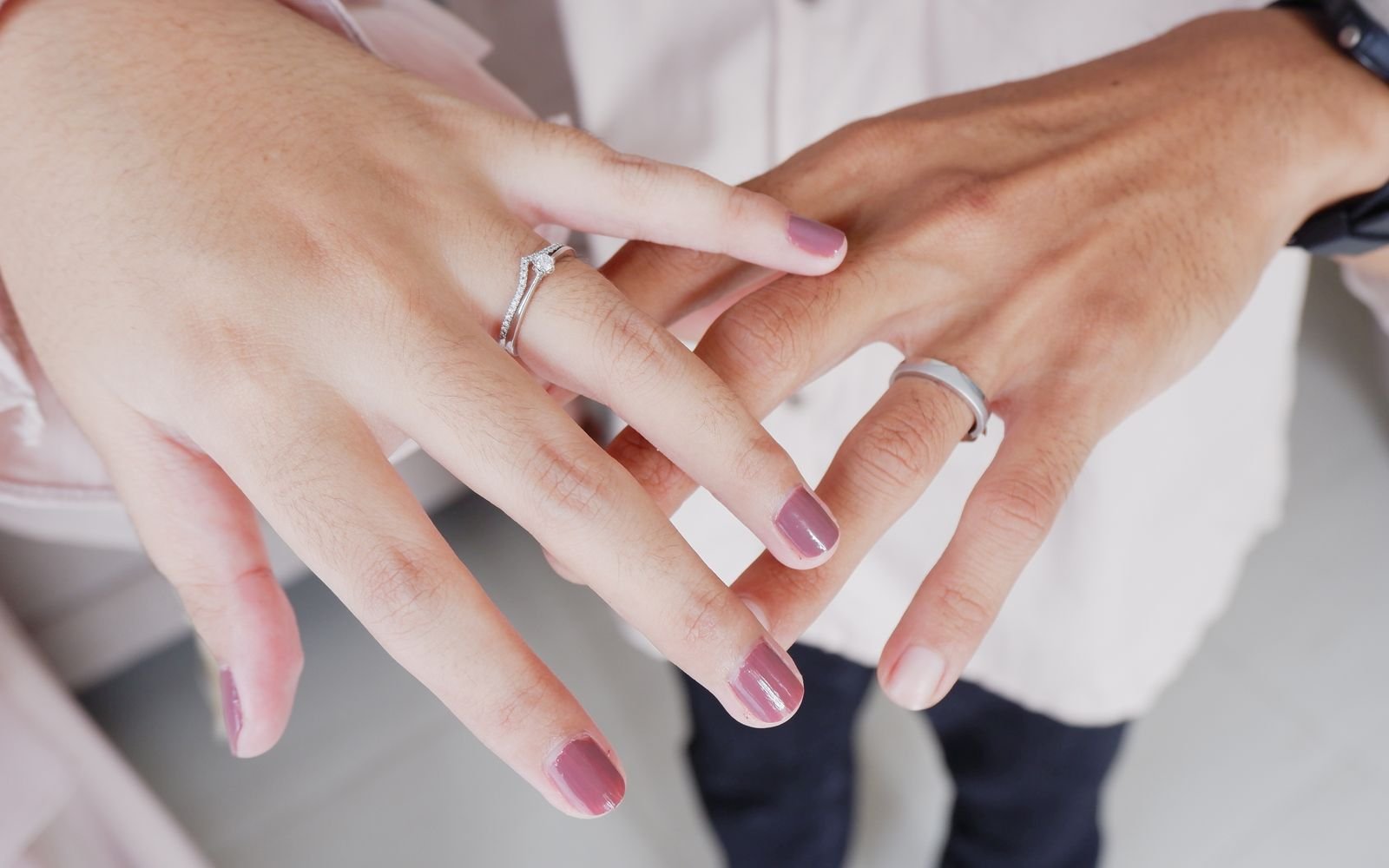
Quick answer: Platinum is a naturally white, dense metal that barely wears down. White gold is yellow gold plated in rhodium, costs less, but needs re-plating every few years. Here’s the full comparison.
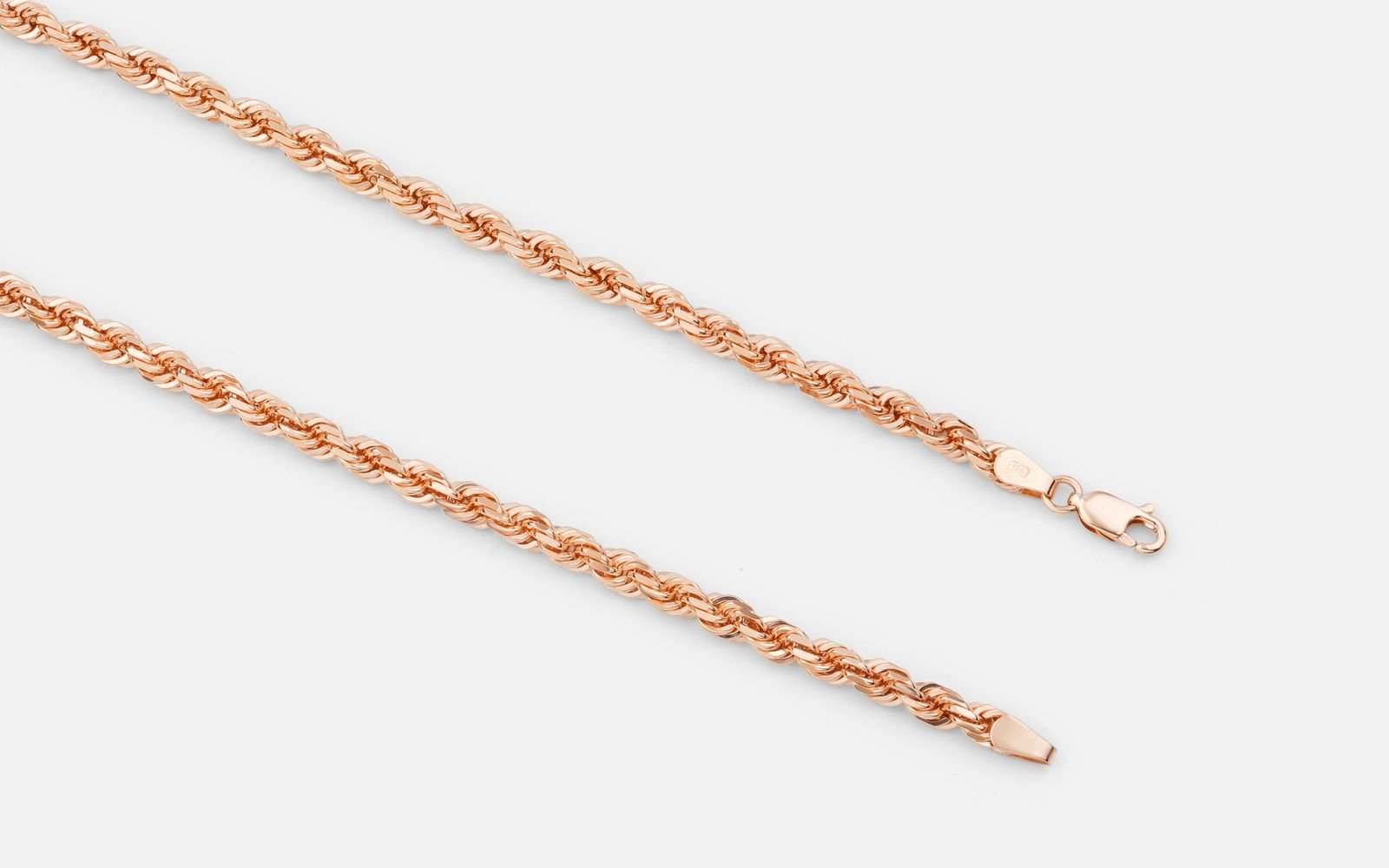
Quick answer: Common chain bracelet types include curb, cuban link, figaro, box, rope, snake and cable. Curb, cuban link and box are strongest for daily wear. Here’s the complete guide.
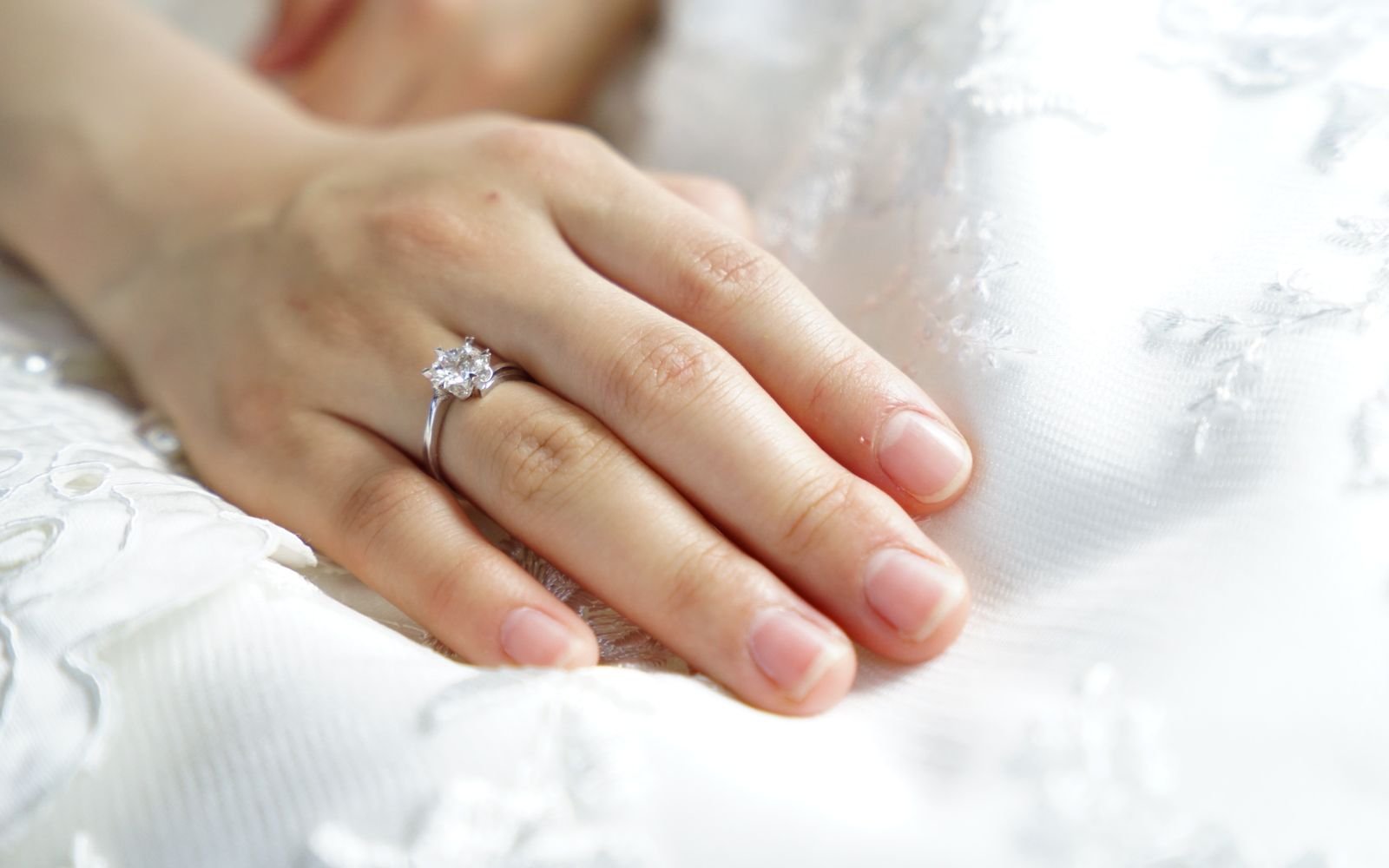
Quick answer: An eternity ring is set with stones all the way around, or halfway around, symbolising unbroken, everlasting love. It’s often given to mark an anniversary or milestone. Here’s what full vs half eternity means and how to wear one.
Quick answer: Antique jewellery is at least 100 years old, while vintage generally covers 20 to 99 years, though some dealers use a stricter 50-year cutoff. Here’s how to tell the difference by hallmark and design era.
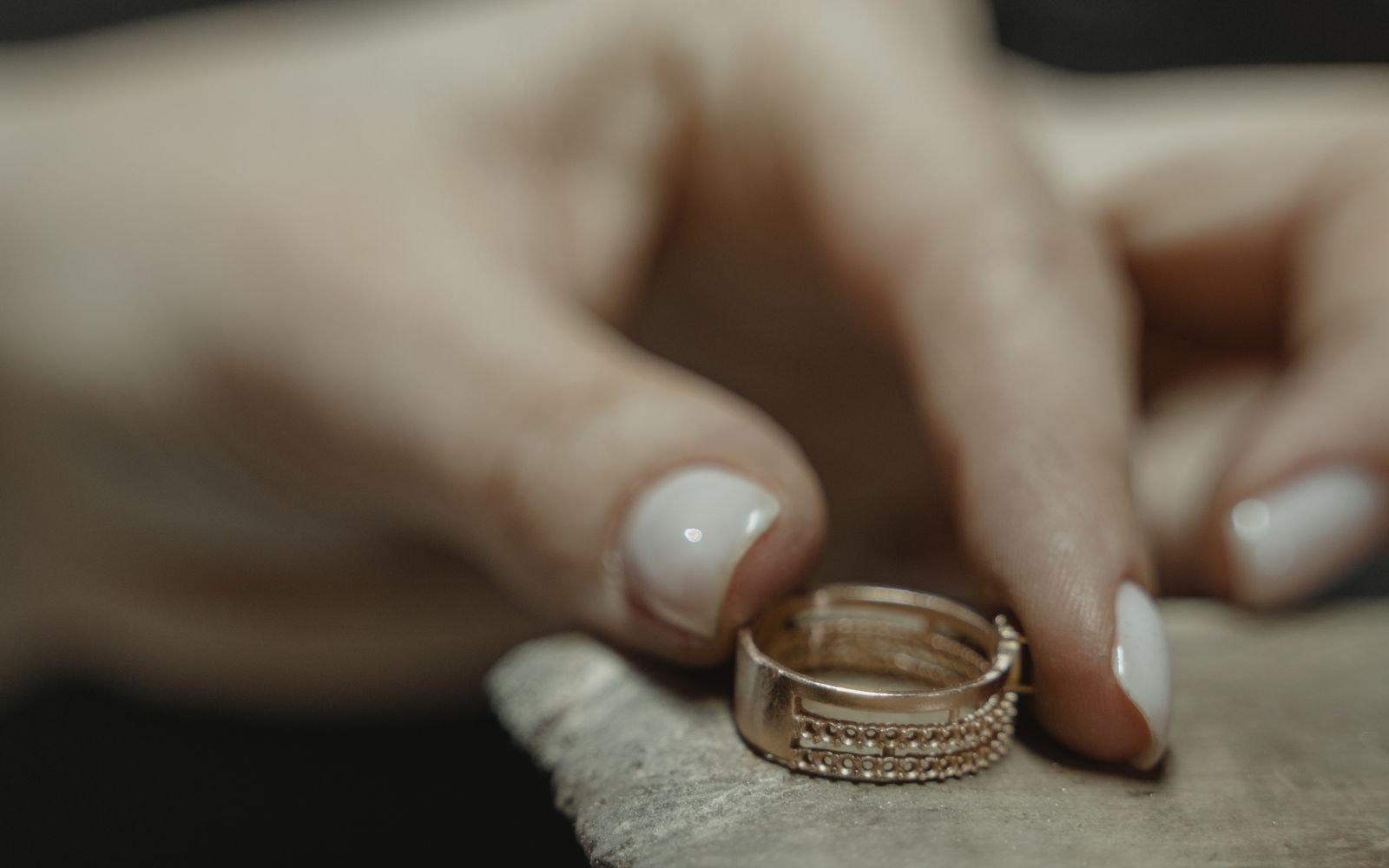
Quick answer: Each finger carries traditional symbolism, from the thumb’s willpower to the ring finger’s link to love and commitment. These meanings come from mythology and folklore rather than fixed rules. Here’s what each one represents.
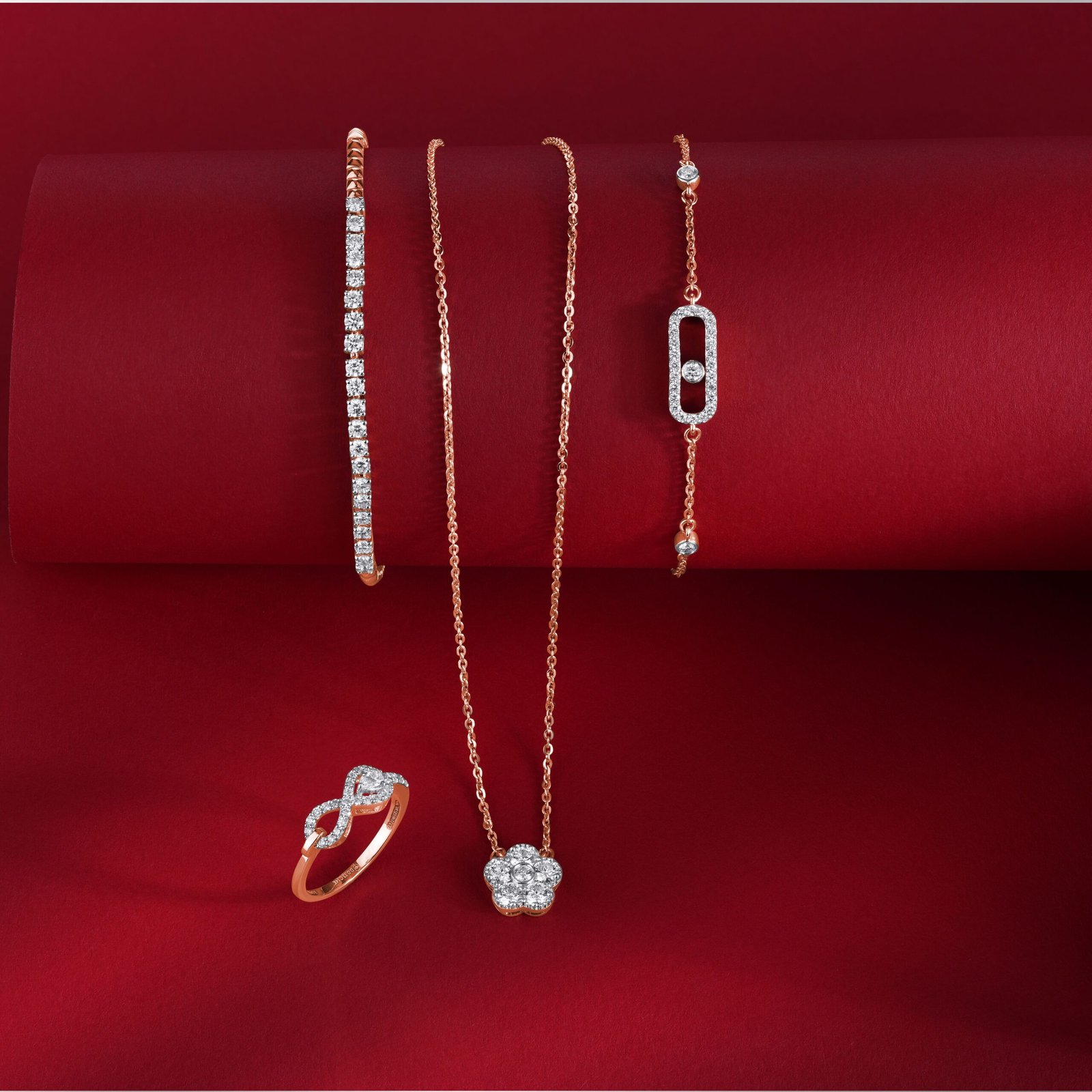
Quick answer: Each wedding anniversary year is linked to a traditional and modern gift theme, from paper on year one to gold on year fifty and diamond on year sixty. Here’s the complete year by year list, with jewellery ideas.
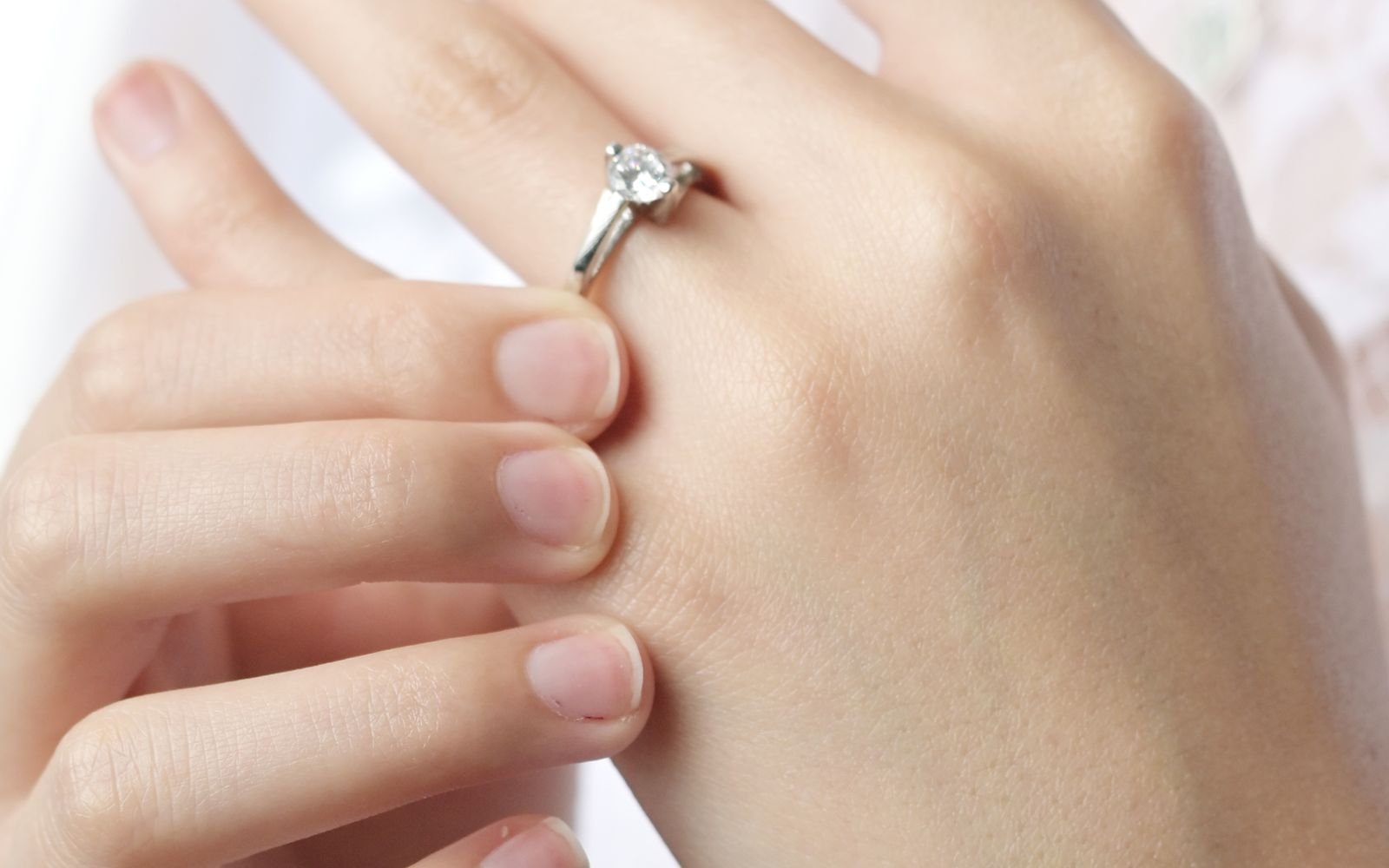
Quick answer: Cubic zirconia is a fraction of the price of a diamond but rates 8 to 8.5 on the Mohs scale versus diamond’s 10, meaning it scratches and clouds more easily over time. Here’s the full comparison.
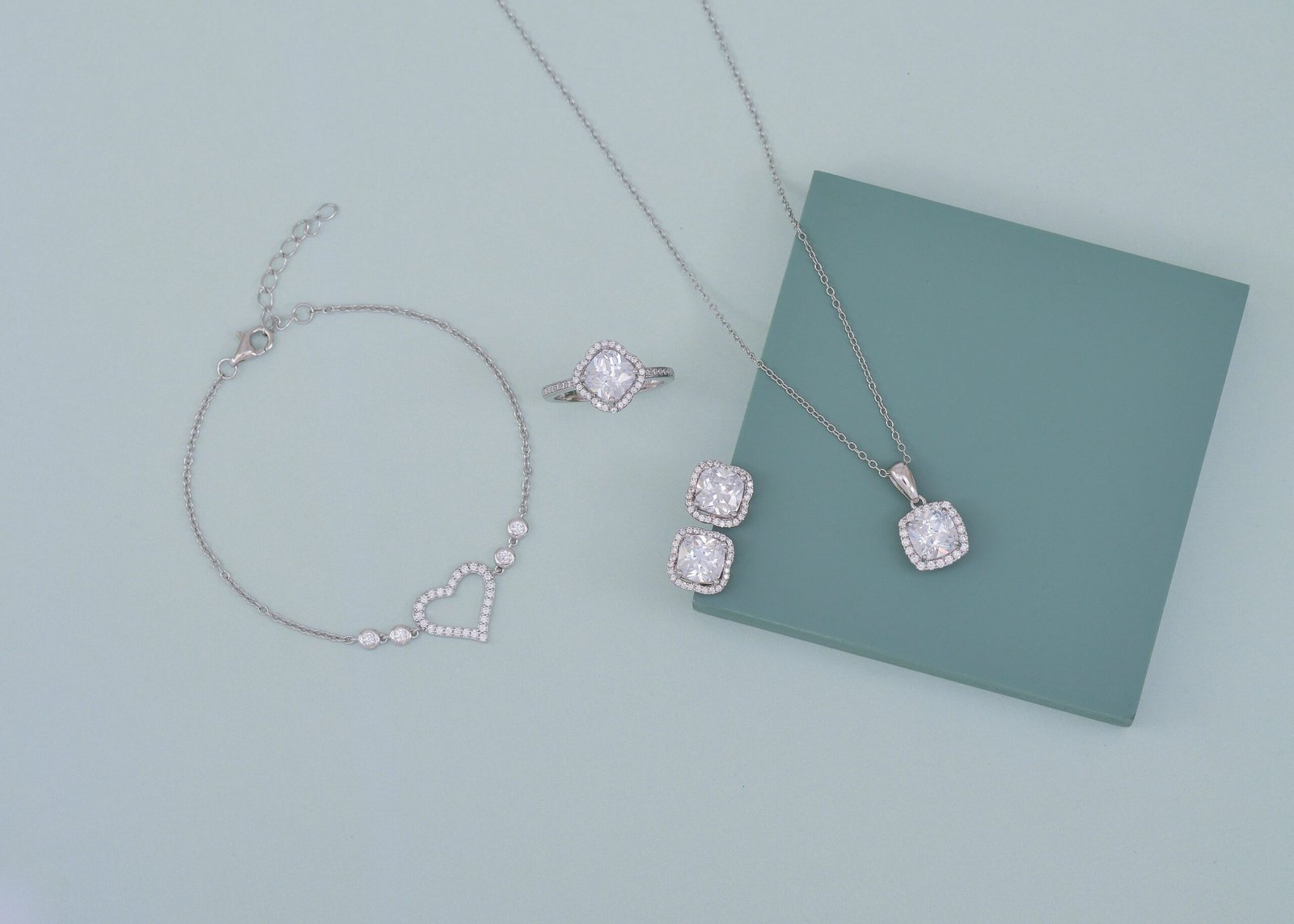
Quick answer: January is garnet, February amethyst, March aquamarine, April diamond, May emerald, June pearl, July ruby, August peridot, September sapphire, October opal, November topaz, and December turquoise. Here’s what each one means.
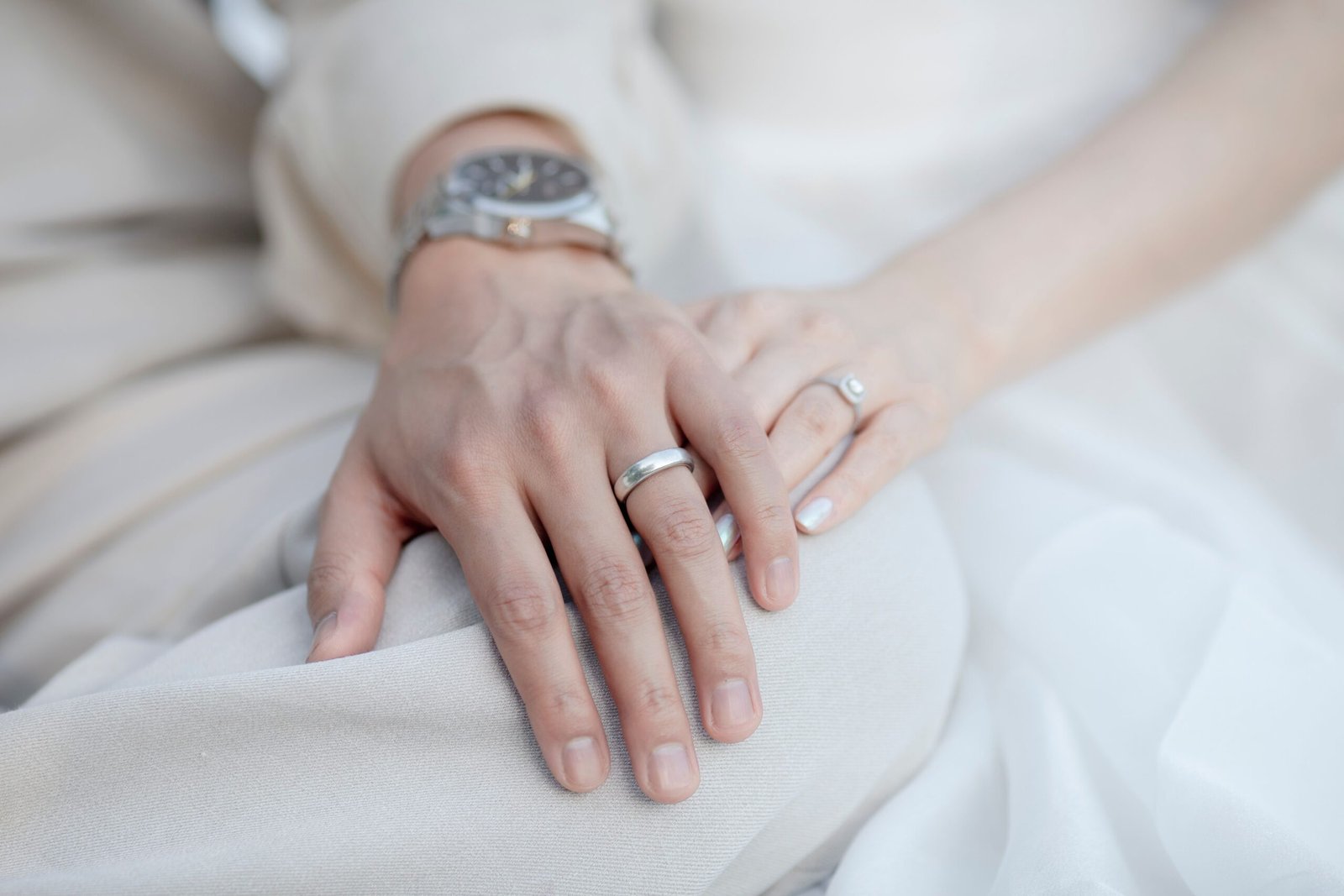
Quick answer: A promise ring symbolises a personal commitment between two people, often given before an engagement but not always. There’s no fixed rule for who gives one or when. Here’s what it means and how to choose one.