
Men’s Jewellery: The Complete UK Buying Guide
Buying men’s jewellery is not as simple as picking a nice-looking ring or chain. The metal you choose affects how it wears, the size you pick affects how it fits, and the price you pay does not always match the quality you get. This guide walks through everything you need to know before you buy, whether you are choosing a piece for yourself or picking a gift for someone else.
We will cover materials, sizing, budget, the brands worth knowing in the UK, personalisation, gift ideas by occasion, how to wear jewellery in different settings, care, and what a hallmark actually tells you. By the end, you should be able to walk into a shop or browse online and know exactly what you are looking for.
What Counts as Men’s Jewellery
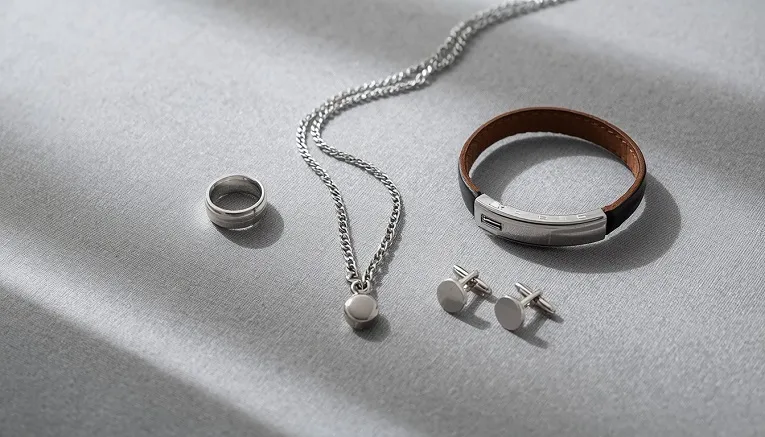
Men’s jewellery covers a wider range than most people expect. The main categories are rings, necklaces and chains, bracelets, earrings, cufflinks, and wedding bands. Pendants and dog tags sit within the necklace category but are often treated separately because the sizing and styling rules differ slightly.
The design language tends to lean towards simpler shapes and heavier proportions than women’s jewellery. A men’s ring band is usually thicker. A men’s chain often sits shorter and closer to the neck. This is not a strict rule, just a general pattern you will notice across most UK retailers.
Men’s jewellery has also become far more mainstream over the last few years. Signet rings, simple chains, and small stud earrings now show up in everyday outfits, not just on stage or in music videos. If you are new to wearing jewellery, starting with one understated piece, such as a plain band or a short chain, is the easiest way in.
Choosing the Right Metal for Men’s Jewellery
The metal you pick decides how the piece looks, how long it lasts, and whether it will irritate your skin. Here is what you need to know about each option.
Gold
Gold is sold in the UK mainly as 9 carat or 18 carat. 9 carat gold contains 37.5% pure gold mixed with other metals, which makes it harder and more affordable. 18 carat gold contains 75% pure gold, giving it a richer colour but a softer, more expensive result. Rose gold gets its pink tone from a higher copper content in the alloy.
If you want the classic gold look at a lower price, 9 carat is the practical choice for daily wear. If you want something closer to a fine jewellery piece, 18 carat holds more value and a deeper colour.
Sterling Silver
Sterling silver is 92.5% pure silver combined with 7.5% copper or another metal, which is where the .925 stamp comes from. It looks bright and clean, and it costs far less than gold. The trade-off is tarnish. Silver reacts with sulphur in the air, which slowly dulls the surface. Regular wear and occasional cleaning keep this under control. Our guide on how to clean sterling silver jewellery covers the exact steps if you already own silver pieces.
Stainless Steel and Titanium
Stainless steel is the most practical metal for everyday men’s jewellery. It resists scratches, does not tarnish under normal conditions, and costs much less than precious metals. Titanium offers similar durability but is noticeably lighter on the wrist or finger, which some men prefer for rings they wear all day.
Neither metal will match the shine or resale value of gold or silver, but both outperform them for pure daily durability. If you are trying to decide between stainless steel and sterling silver specifically, our detailed comparison of stainless steel vs sterling silver jewellery breaks down the full picture.
Platinum and Tungsten
Platinum is the most premium option here. It does not tarnish and holds its colour permanently, but it is soft enough to pick up surface scratches over time, and it carries a high price tag. Tungsten carbide sits at the opposite end. It is extremely hard and scratch-resistant, which makes it popular for wedding bands, but it cannot be resized once made.
Sensitive Skin and Hypoallergenic Options
Nickel is the most common cause of skin reactions in jewellery, and it often appears in cheaper stainless steel and base metal alloys. If you notice redness, itching, or a rash under a ring or bracelet, nickel is usually the reason. Titanium, platinum, and surgical grade 316L stainless steel are the safest choices for sensitive skin because they contain little to no nickel. Solid gold above 14 carat is also generally well tolerated. If a piece does not state its exact metal grade, treat that as a warning sign rather than a minor detail.
Getting the Size Right
Sizing mistakes are one of the most common reasons men’s jewellery gets returned or sits unworn in a drawer. A few simple methods solve most of the problem.
Ring Size at Home
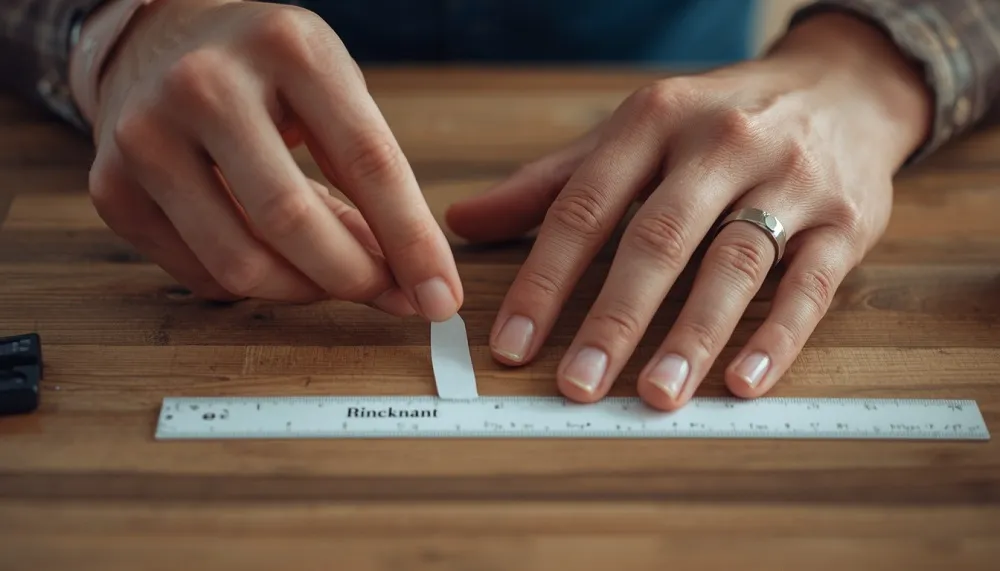
Wrap a strip of paper or string around the base of the finger, mark where it overlaps, then measure the length in millimetres against a ring size chart, which most UK retailers provide free online. Measure at the end of the day when fingers are slightly larger, and avoid measuring straight after exercise or in cold weather, since finger size changes with temperature and activity.
Chain Length Guide
Most men wear chains between 18 and 24 inches. An 18-inch chain sits close to the base of the neck. A 20 to 22 inch chain sits at the collarbone, which suits most builds and is the most commonly bought length. A 24-inch chain hangs lower and works well for layering with a pendant. Taller or broader men often prefer the longer end of this range so the chain does not sit too tight. Our chain bracelet types guide covers the same link styles if you are choosing a bracelet to match.
Buying as a Gift Without Knowing Their Size
If you are buying a ring as a surprise gift, borrow a ring they already wear on the same finger and take it to a jeweller to be measured, or compare it against a printed ring size guide at home. For chains and bracelets, a slightly longer length is a safer guess than a shorter one, since extra length is far less noticeable than a piece that feels tight.
How Much Should You Spend on Men’s Jewellery
Price ranges vary hugely, and knowing what each budget actually buys helps avoid disappointment.
| Budget | What to expect |
|---|---|
| Under £50 | Stainless steel chains, bracelets, and rings. Gold-plated pieces with a thin coating that wears over time. Good for testing a style before committing. |
| £50 to £250 | Sterling silver pieces, entry-level 9 carat gold, and better quality stainless steel with thicker plating or PVD coating. This is where most everyday jewellery from UK high street brands sits. |
| £250 and above | Solid gold, platinum, and designer pieces from brands like Gucci or Vivienne Westwood. Expect certified hallmarking and materials that hold their value. |
A common mistake is assuming a higher price always means better quality. It usually reflects the metal, the brand name, or both. A well-made stainless steel piece from a reputable seller can outlast a poorly made gold-plated item at a similar price. Reading up on how a specific affordable brand performs, such as our review of Lovisa’s jewellery quality and durability, can help set realistic expectations before you buy at the lower end of the market.
Best Men’s Jewellery Brands in the UK
High Street Names
Beaverbrooks, H.Samuel, Ernest Jones, Goldsmiths, and Warren James all stock a wide range of men’s jewellery both online and in physical stores across the UK. These retailers are a safe starting point if you want to try a piece on before buying, and most carry recognised designer brands such as BOSS and Emporio Armani alongside their own collections.
Newer UK Brands
Missoma, CRAFTD London, and Daniella Draper represent a more contemporary approach. Missoma leans towards minimalist demi-fine pieces in silver and gold. CRAFTD focuses on chains and pendants with a streetwear influence. Daniella Draper handcrafts pieces in England using recycled silver and gold, which appeals to buyers who care about where their jewellery comes from.
Luxury Houses
Gucci, Vivienne Westwood, Emporio Armani, and BOSS sit at the top end. These brands charge a premium for design and name recognition as much as materials, so they suit buyers who want a specific look or are buying a gift with strong brand appeal.
Personalised and Engraved Men’s Jewellery
Personalisation has become one of the most popular ways to buy men’s jewellery as a gift. Common options include engraved initials or dates on the inside of a ring or bracelet, hand-stamped bangles with a short message, dog tag necklaces with a name or coordinates, and birthstone pieces tied to a birth month.
Personalised pieces work particularly well for milestone gifts such as a first Father’s Day, a wedding, or a significant birthday. One thing to check before ordering is the production time. Custom pieces often take longer to make than off-the-shelf jewellery, so order with enough time before the date you need it. Also confirm the ring size or chain length before the item goes into production, since personalised pieces are rarely returnable once engraved.
Men’s Jewellery Gift Guide by Occasion
Father’s Day
A simple bracelet, a chain, or a personalised dog tag are safe, well-received choices. Stainless steel and sterling silver both work well here since they suit a wide range of ages and styles.
Birthdays and Anniversaries
Birthstone jewellery adds a personal touch for birthdays. For anniversaries, a piece that pairs with something the recipient already owns, such as a matching ring style or chain, tends to feel more considered than a completely new style.
Weddings
A wedding band is the obvious choice, but groomsmen gifts have grown into their own category too. Matching cufflinks or simple bracelets given to the wedding party are a common and appreciated gesture.
Memorial Jewellery
Memorial and ashes jewellery lets someone carry a small keepsake of a loved one, usually as a pendant or ring with a small chamber for ashes or a lock of hair. This is a sensitive purchase, so look for a jeweller who is specific about the process and materials used, and check reviews carefully before ordering.
Wearing Men’s Jewellery Day to Day
Work and Formal Settings
Subtle pieces work best in professional settings. A plain band, a thin chain worn under a shirt, or simple cufflinks add polish without drawing too much attention. Save chunkier chains or statement rings for casual settings unless your workplace has a relaxed dress code.
Gym, Showers and Swimming
Not every piece survives sweat, chlorine, or repeated water exposure. Stainless steel and titanium hold up well in almost any active setting. Sterling silver and gold-plated pieces are more vulnerable and are worth removing before a workout or a swim. If you shower with jewellery on regularly, our guide on whether you can wear jewellery in the shower explains which metals cope well and which do not.
Looking After Your Jewellery
A little routine care extends the life of almost any piece. Wipe jewellery with a soft cloth after wearing it to remove sweat and oils. Store rings, chains, and bracelets separately so they do not scratch each other, ideally in a fabric-lined box or a small pouch. Take jewellery off before applying aftershave, deodorant, or lotion, since these products speed up tarnish on silver and can dull the finish on plated pieces.
If tarnish does build up on silver, it is a surface reaction rather than permanent damage, and it can usually be reversed at home with the right cleaning method rather than a trip to a jeweller.
What a UK Hallmark Actually Means
A UK hallmark is a small stamp applied by one of the four UK Assay Offices, in London, Birmingham, Sheffield, or Edinburgh, confirming the precious metal content of a piece. By law, most gold, silver, and platinum items sold in the UK above a certain weight must carry one. The hallmark shows the metal purity as a number, such as 375 for 9 carat gold or 925 for sterling silver, along with a mark identifying the assay office and the maker.
This matters most when buying cheaper jewellery online, where product descriptions can be vague about what a piece is actually made from. A genuine hallmark is one of the clearest ways to confirm you are getting real precious metal rather than a base metal alloy with a thin coating. If a listing claims to be solid gold or silver but shows no hallmark and gives no explanation why, treat that as a reason to ask questions before you buy.
Frequently Asked Questions
What jewellery should men wear day to day?
A plain ring, a simple chain, or a stainless steel bracelet are the easiest starting pieces. They suit most outfits and do not require much thought to style.
Is men’s jewellery suitable for daily wear?
Yes, as long as the metal matches your lifestyle. Stainless steel and titanium handle daily wear, including gym and shower use, better than sterling silver or plated pieces.
What is the best metal for men’s jewellery?
There is no single best metal. Stainless steel suits durability and budget, sterling silver suits style and price, and gold suits long-term value and formal occasions.
How do I find my ring size without a sizing tool?
Wrap a strip of paper or string around your finger, mark the overlap, and measure the length against a printed ring size chart, which most UK jewellers offer online for free.
Can men wear jewellery to work or formal events?
Yes, subtle pieces such as a plain band, a thin chain, or classic cufflinks work well in most professional settings.
Where can I buy cheap men’s jewellery that will not irritate my skin?
Look for stainless steel described as surgical grade or 316L, or sterling silver with a clear .925 stamp, rather than unlabelled base metal.
What are the best men’s jewellery brands in the UK?
Beaverbrooks, H.Samuel, Ernest Jones, and Goldsmiths are reliable high street options, while Missoma, CRAFTD London, and Daniella Draper offer a more contemporary style.
Is personalised jewellery a good gift for men?
Yes, especially for milestone occasions. Just confirm sizing before ordering, since engraved pieces are rarely returnable.
How do I know if men’s jewellery is hypoallergenic?
Check the exact metal grade on the listing. Titanium, platinum, and 316L stainless steel are the safest options for sensitive skin.
How much should I spend on a men’s jewellery gift?
Between £50 and £250 covers most good quality sterling silver or entry level gold pieces from a reputable UK retailer. Under £50 works well for a trial piece or a casual gift.